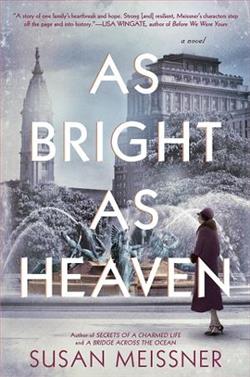
Susan Meissner's As Bright as Heaven is a poignant exploration of resilience, love, and the human spirit set against the backdrop of one of history's most devastating pandemics. The novel, set in 1918 Philadelphia during the Spanish flu epidemic, weaves a narrative that is both heart-wrenching and hopeful, capturing the essence of a family navigating through unprecedented times. Meissner, known for her ability to blend historical events with deeply personal stories, delivers yet another compelling tale that resonates with readers on multiple levels.
At the heart of the story is the Bright family, who move to Philadelphia with dreams of a better future. Pauline Bright and her husband, along with their three daughters—Evelyn, Maggie, and Willa—embark on this journey with optimism, only to be met with the harsh realities of a world in turmoil. The Spanish flu epidemic, which claimed the lives of over twelve thousand people in Philadelphia alone, serves as a formidable antagonist in the narrative, challenging the family's resolve and altering their lives in unimaginable ways.
One of the novel's most striking features is its rich character development. Meissner skillfully crafts each member of the Bright family with distinct personalities and voices, allowing readers to connect with them on an intimate level. Pauline, the matriarch, embodies strength and compassion, navigating her family through grief and uncertainty. Her daughters, each with their own perspectives and struggles, add depth to the story. Evelyn, the eldest, is pragmatic and mature beyond her years; Maggie, the middle child, is spirited and adventurous; and Willa, the youngest, offers a sense of innocence and curiosity. Through their eyes, Meissner paints a vivid picture of a family striving to find hope amidst despair.
The novel's themes of loss and rebirth are intricately woven into the narrative, reflecting the broader historical context of the time. The Bright family, like many others, is forced to confront the fragility of life as the pandemic ravages their community. Yet, amidst the tragedy, there is a glimmer of hope in the form of an orphaned baby they take in. This act of compassion becomes a turning point for the family, symbolizing the possibility of new beginnings even in the darkest of times. Meissner's portrayal of this dynamic is both realistic and uplifting, reminding readers of the enduring power of love and human connection.
In addition to its emotional depth, As Bright as Heaven offers a meticulously researched portrayal of the Spanish flu epidemic. Meissner's attention to historical detail is evident throughout the novel, providing readers with a vivid sense of the era's challenges and uncertainties. The author seamlessly integrates historical facts with the fictional narrative, creating a rich tapestry that enhances the story's authenticity. This blend of history and fiction is reminiscent of other works by authors like Kristin Hannah and Kate Morton, who similarly excel in crafting stories that resonate on both personal and historical levels.
Moreover, the novel's exploration of the human spirit's resilience is particularly relevant in today's world, where themes of survival and adaptation continue to resonate. Meissner's ability to capture the emotional complexities of her characters' experiences makes the story both timeless and timely, offering readers a lens through which to reflect on their own lives and challenges.
While the novel is deeply rooted in its historical setting, its themes are universal and timeless. The Bright family's journey is a testament to the enduring strength of the human spirit, a narrative that transcends its historical context to speak to the resilience and adaptability inherent in all of us. Meissner's prose is both lyrical and evocative, drawing readers into the world she has created and leaving a lasting impact long after the final page is turned.
In conclusion, As Bright as Heaven is a masterful blend of history and fiction, offering a compelling exploration of love, loss, and resilience. Susan Meissner's ability to create richly developed characters and weave them into a historically accurate narrative makes this novel a standout in the genre. It is a story that will resonate with readers long after they have finished it, offering both a poignant reflection on the past and a hopeful vision for the future. For those who appreciate historical fiction with emotional depth and authenticity, As Bright as Heaven is a must-read.



