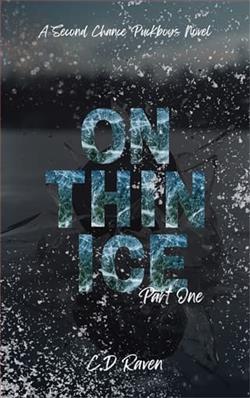
C.D. Raven's On Thin Ice: Part One is a compelling exploration of young love, identity, and the complexities of friendship. The novel, which is the first part of a two-book series, delves into the lives of Jacob and Griffin, two young men navigating the tumultuous waters of senior year, personal ambitions, and unexpected romantic entanglements. With its engaging narrative and well-drawn characters, this book offers readers a poignant look at the challenges and triumphs of self-discovery.
At the heart of the story is Jacob, a character whose life seems to be on a promising trajectory. With good grades, an early acceptance into med school, and a coveted position as a med trainer for the hockey team, Jacob's future appears bright. However, Raven skillfully unravels Jacob's seemingly perfect life by introducing a secret that threatens to upend everything he holds dear. This secret, which is intricately woven into the narrative, adds a layer of tension and suspense that keeps readers invested in Jacob's journey.
Griffin, on the other hand, is a character whose life is equally complex. With aspirations of being drafted into professional hockey, Griffin's focus is on maintaining his relationship with his girlfriend and staying on track with his career goals. Yet, as Jacob begins to infiltrate his defenses, Griffin finds himself in a whirlwind of emotions that challenge his perceptions of love and loyalty. Raven's portrayal of Griffin's internal conflict is both nuanced and relatable, capturing the essence of a young man torn between his desires and his responsibilities.
The relationship between Jacob and Griffin is the novel's emotional core, and Raven handles it with a deft touch. The chemistry between the two characters is palpable, and their interactions are charged with a mix of tenderness and tension. As their relationship evolves from friendship to something more, readers are taken on an emotional rollercoaster that is both exhilarating and heart-wrenching. Raven's ability to depict the complexities of young love, with all its messiness and unpredictability, is one of the book's standout features.
One of the most striking aspects of On Thin Ice: Part One is its exploration of themes such as identity, trust, and the fear of vulnerability. Jacob's secret serves as a catalyst for much of the novel's drama, highlighting the delicate balance between honesty and self-preservation. The fear of betrayal looms large over Jacob and Griffin's relationship, adding depth to their interactions and forcing them to confront their insecurities. Raven's exploration of these themes is both insightful and thought-provoking, encouraging readers to reflect on their own experiences with trust and identity.
The novel also excels in its portrayal of secondary characters, who add richness and depth to the story. The found family dynamic, which is a recurring theme in Raven's work, is particularly well-executed here. The camaraderie and support among the characters create a sense of warmth and belonging that is both comforting and inspiring. Raven's ability to craft a believable and engaging ensemble cast is a testament to her skill as a storyteller.
In terms of style, Raven's writing is both evocative and accessible. Her prose is infused with emotion, capturing the highs and lows of Jacob and Griffin's journey with precision and clarity. The dialogue is sharp and realistic, adding authenticity to the characters' interactions. Raven's use of language is particularly effective in conveying the intensity of the characters' emotions, making the novel a deeply immersive reading experience.
Comparatively, On Thin Ice: Part One shares thematic similarities with other contemporary LGBTQ+ romances, such as Becky Albertalli's Simon vs. the Homo Sapiens Agenda and Adam Silvera's They Both Die at the End. Like these works, Raven's novel explores the intricacies of young love and the challenges of coming to terms with one's identity. However, Raven distinguishes herself with her focus on the intersection of sports and romance, offering a fresh perspective on the genre.
It is important to note that this book does not conclude with a happily-ever-after (HEA), as it is the first part of a duet. The unresolved nature of Jacob and Griffin's story may leave some readers yearning for closure, but it also sets the stage for further development in the sequel. Raven's decision to end the novel on a note of uncertainty is a bold choice that underscores the unpredictability of life and love.
In conclusion, On Thin Ice: Part One is a captivating and emotionally resonant novel that will appeal to fans of contemporary romance and coming-of-age stories. C.D. Raven's skillful storytelling and nuanced character development make this book a standout addition to the genre. With its exploration of identity, trust, and the complexities of young love, this novel is sure to leave a lasting impression on readers. As we await the release of the second installment, one can only hope that Jacob and Griffin's journey will continue to be as compelling and heartfelt as it is in this first volume.



