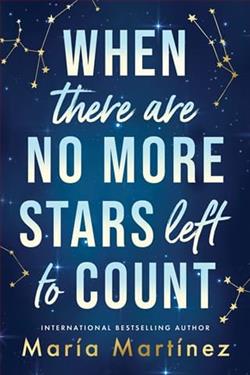
María Martínez's When There Are No More Stars Left to Count is a poignant exploration of loss, identity, and the redemptive power of love. Set against the picturesque backdrop of Sorrento, Italy, this novel offers readers a compelling journey of self-discovery and emotional healing. Martínez, known for her ability to weave intricate emotional tapestries, delivers a narrative that resonates deeply with fans of new adult romance.
The story centers around Maya Rivet, a 22-year-old former ballet soloist whose life is irrevocably altered by a tragic car accident. The accident not only ends her promising career but also leaves her grappling with a profound sense of loss and abandonment. Her grandmother's cold indifference exacerbates her isolation, setting the stage for Maya's quest to find her birth father. This journey is not just a physical one but also a metaphorical search for belonging and identity.
Martínez skillfully crafts Maya's character as a complex and relatable protagonist. Her vulnerability is palpable, and her determination to piece together the fragments of her life is both inspiring and heart-wrenching. The discovery of vintage photos in an old music box serves as a catalyst for Maya's journey to Sorrento, a place that promises answers and perhaps a new beginning.
In Sorrento, Maya encounters Lucas Velasco, a 29-year-old who has carved out a life of serenity and fulfillment after escaping his own familial turmoil in Madrid. Lucas's character is a testament to resilience and the transformative power of community. His journey from a "lost and broken young man" to someone who has found peace and purpose is beautifully portrayed. The chemistry between Maya and Lucas is electric, and their evolving relationship is a highlight of the novel.
The theme of found family is central to the narrative. Lucas's decision to welcome Maya into his home is a pivotal moment that underscores the novel's message about the importance of connection and support. Their friendship, which blossoms into love, is depicted with sensitivity and depth. Martínez captures the nuances of their relationship, from the initial spark of attraction to the complexities that arise as secrets are revealed.
One of the novel's strengths is its exploration of family dynamics and the impact of unresolved trauma. Both Maya and Lucas are haunted by their pasts, and their journey towards healing is fraught with challenges. The return to Madrid serves as a crucible for their relationship, testing their love and forcing them to confront their familial conflicts. Martínez handles these themes with a deft touch, offering readers a nuanced portrayal of the ways in which family can both wound and heal.
Martínez's prose is evocative, capturing the beauty of Sorrento's streets and the emotional landscapes of her characters with equal skill. The setting is more than just a backdrop; it is an integral part of the story, reflecting the characters' internal journeys. The contrast between the idyllic charm of Sorrento and the emotional turmoil of Madrid adds depth to the narrative, highlighting the tension between escape and confrontation.
In comparison to other works in the new adult romance genre, When There Are No More Stars Left to Count stands out for its emotional depth and character-driven storytelling. Fans of authors like Colleen Hoover and Jojo Moyes will find much to appreciate in Martínez's nuanced exploration of love and identity. The novel's emphasis on healing and self-discovery aligns it with other contemporary romances that prioritize emotional growth over mere romantic entanglement.
Overall, When There Are No More Stars Left to Count is a beautifully crafted tale of love, loss, and redemption. María Martínez has created a story that is both heartwarming and thought-provoking, offering readers a rich tapestry of emotions and experiences. The novel's exploration of identity, family, and the power of love to heal and transform makes it a standout in the genre. For those seeking a romance that delves into the complexities of the human heart, this book is a must-read.



