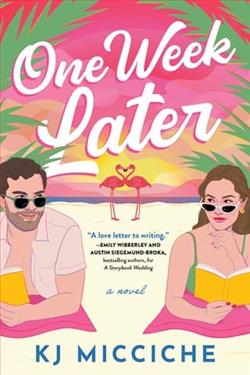
K.J. Micciche's One Week Later is a poignant exploration of love, miscommunication, and the intricate dance of fate that can alter the course of our lives. This novel, with its compelling premise and rich character development, offers readers a deep dive into the emotional complexities of relationships and the power of storytelling.
At the heart of the novel are Melody Adams and Beckett Nash, two writers whose lives intersect during a serendipitous vacation in Aruba. Their whirlwind romance, set against the backdrop of sun-drenched beaches and the promise of new beginnings, is both enchanting and ephemeral. Micciche skillfully captures the intensity of their connection, making their week together feel both magical and authentic. The author’s ability to convey the depth of their emotions in such a short span of time is a testament to her narrative prowess.
The novel’s central theme revolves around the idea of missed opportunities and the impact of miscommunication. Melody and Beckett’s separation, caused by a series of unfortunate events and misunderstandings, serves as a poignant reminder of how easily love can be derailed by circumstances beyond our control. This theme is further amplified by the fact that both characters, in their own ways, attempt to process their heartbreak through writing. The irony that their respective books become the very source of their conflict adds a layer of complexity to the narrative, highlighting the dual nature of storytelling as both a means of healing and a potential source of misunderstanding.
Character development is one of the novel’s strongest suits. Melody Adams is portrayed as a deeply empathetic and resilient character, grappling with the dual burdens of her mother’s illness and her own professional struggles. Her journey is one of self-discovery and empowerment, as she learns to navigate the challenges of being labeled a “copycat” in the literary world. Micciche paints Melody with a nuanced brush, allowing readers to empathize with her vulnerabilities and cheer for her triumphs.
Beckett Nash, on the other hand, is depicted as a character caught between his past and his present. His rise to fame as an author is juxtaposed with his unresolved feelings for Melody, creating a tension that is both palpable and relatable. Micciche does an excellent job of portraying Beckett’s internal conflict, as he grapples with the expectations of his newfound success and the reality of his engagement to someone else. This adds a layer of complexity to his character, making him more than just a romantic interest but a fully realized individual with his own set of challenges.
The novel’s exploration of the literary world adds an intriguing dimension to the story. Micciche delves into the competitive nature of publishing, the pressures of public perception, and the personal toll that success can take on an individual. This insider’s look at the world of writing provides a rich backdrop for the unfolding drama, making the stakes feel both personal and professional for the characters involved.
In terms of pacing, One Week Later strikes a delicate balance between introspective moments and narrative momentum. Micciche’s prose is both lyrical and accessible, allowing readers to become fully immersed in the emotional landscape of the story. The novel’s structure, which alternates between the present and flashbacks to the fateful week in Aruba, is effective in building tension and maintaining reader engagement.
Comparatively, One Week Later shares thematic similarities with works like David Nicholls’ One Day and Jojo Moyes’ Me Before You, both of which explore the intricacies of love and the impact of timing on relationships. However, Micciche’s novel stands out for its unique focus on the intersection of love and creativity, and the way in which personal experiences can be transformed into art. This meta-narrative aspect adds a layer of depth to the story, inviting readers to reflect on the ways in which we all use storytelling to make sense of our lives.
Overall, One Week Later is a beautifully crafted novel that resonates on multiple levels. It is a story about love and loss, but also about the power of second chances and the courage it takes to confront the past. Micciche’s ability to weave together these themes with sensitivity and insight makes this book a compelling read for anyone who has ever wondered about the road not taken. For readers seeking a story that is both emotionally engaging and thought-provoking, One Week Later is a journey worth embarking on.



