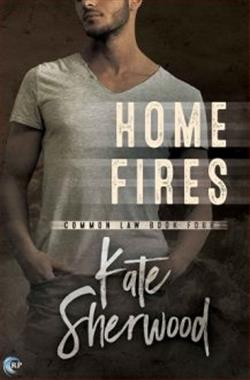
Kate Sherwood's Home Fires is a gripping narrative that delves into the complexities of duty, love, and survival in the face of overwhelming odds. Set against the backdrop of Mosely, Montana, a small town on the brink of chaos, Sherwood crafts a story that is as much about the internal struggles of its characters as it is about the external threats they face. The novel is a compelling exploration of what it means to protect a community, even when the odds seem insurmountable.
At the heart of the story is Jericho Crewe, a character whose sense of duty is both his greatest strength and his most significant vulnerability. Sherwood does an exceptional job of developing Jericho as a multifaceted character. He is not just a lawman; he is a man torn between his responsibilities and his desires. The tension between his duty to Mosely and his personal life is palpable, creating a rich, emotional undercurrent that drives the narrative forward. Jericho's internal conflict is a testament to Sherwood's skill in character development, making him a relatable and compelling protagonist.
The theme of duty versus desire is further complicated by Jericho's relationship with Wade Granger. Wade represents the life Jericho could have if he chose to abandon his responsibilities. Their relationship is fraught with tension, and Sherwood captures this beautifully. The chemistry between Jericho and Wade is electric, and their interactions are some of the most engaging parts of the novel. Sherwood's portrayal of their relationship is nuanced, highlighting the complexities of love in a world where survival often takes precedence over personal happiness.
Another significant theme in Home Fires is the idea of community and what it means to belong. Mosely is more than just a setting; it is a character in its own right. The town's residents are a diverse group, each with their own stories and struggles. Sherwood paints a vivid picture of a community on the edge, where the bonds between individuals are both a source of strength and a potential point of fracture. The presence of the militia adds an element of danger, forcing the residents to confront their fears and prejudices. This exploration of community dynamics is one of the novel's strengths, providing a rich backdrop against which the personal dramas of the characters unfold.
In terms of pacing, Sherwood maintains a steady rhythm that keeps the reader engaged from start to finish. The tension builds gradually, with moments of intense action interspersed with quieter, more introspective scenes. This balance allows for a deeper exploration of the characters' motivations and fears, making the stakes feel real and immediate. The narrative is tightly woven, with each subplot contributing to the overall arc of the story. Sherwood's ability to maintain this balance is a testament to her skill as a storyteller.
Comparatively, Home Fires shares thematic similarities with works by authors like C.J. Box and Craig Johnson, who also explore the intersection of personal and professional duty in rural settings. However, Sherwood's focus on the emotional and relational aspects of her characters sets her work apart. While Box and Johnson often emphasize the procedural elements of their stories, Sherwood delves deeper into the emotional landscapes of her characters, creating a more intimate and emotionally resonant narrative.
Overall, Home Fires is a powerful exploration of the human spirit in the face of adversity. Sherwood's ability to weave together themes of duty, love, and community creates a narrative that is both thought-provoking and emotionally engaging. The characters are well-developed, the setting is vividly realized, and the story is both timely and timeless in its exploration of what it means to stand up for what is right. For readers who enjoy character-driven stories with a strong emotional core, Home Fires is a must-read.
In conclusion, Kate Sherwood has crafted a novel that resonates on multiple levels. It is a story about the choices we make and the sacrifices we are willing to endure for the people and places we love. Home Fires is a testament to the power of storytelling to illuminate the complexities of the human experience, and it is a book that will stay with readers long after the final page is turned.



