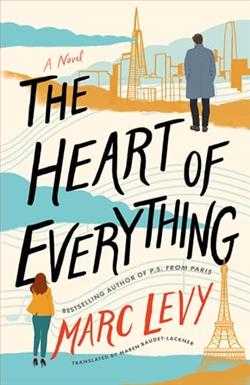
Marc Levy's The Heart of Everything is a captivating exploration of the enduring bonds between family members, even when separated by the chasm of death. Known for his ability to weave poignant narratives that resonate with universal themes, Levy once again delivers a story that is both heartwarming and thought-provoking. This novel, much like his previous work P.S. from Paris, delves into the complexities of human relationships, but with a unique twist that involves the supernatural.
At the heart of the story is Thomas, a young virtuoso pianist whose life is meticulously organized and devoid of surprises. This sense of order is disrupted when his deceased father, Raymond, makes an unexpected appearance. The premise itself is intriguing—Raymond is not a ghost in the traditional sense but a tangible presence with a specific request. He asks Thomas to accompany him to San Francisco to find Camille, the love of his life whom he lost touch with years ago. This request sets the stage for a journey that is as much about physical travel as it is about emotional discovery.
The novel's central theme revolves around the idea that love transcends the boundaries of time and space. Levy skillfully uses the father-son relationship to explore this theme, highlighting how unresolved emotions and unspoken words can linger long after a person has passed away. The journey to San Francisco becomes a metaphor for the journey into the past, where Thomas learns more about his father’s life, regrets, and the choices that shaped him. This exploration of memory and legacy is both poignant and relatable, as many readers will recognize the universal desire to understand and connect with loved ones who are no longer present.
Character development is one of the novel's strongest aspects. Thomas is initially portrayed as a man who is emotionally distant and somewhat rigid in his ways. However, as the story progresses, we witness his transformation. The journey with his father allows him to confront his own fears and insecurities, ultimately leading to a deeper understanding of himself and his father. Raymond, on the other hand, is depicted as a man burdened by regrets, yet hopeful for redemption. His character is a reminder that it is never too late to seek forgiveness and make amends.
Levy's writing style is both engaging and evocative, drawing readers into the emotional landscape of the characters. His use of humor, even in the face of death, adds a layer of complexity to the narrative, making it both entertaining and profound. The dialogue between Thomas and Raymond is particularly well-crafted, capturing the nuances of a father-son relationship that is both strained and loving. This dynamic is reminiscent of other literary works that explore familial bonds, such as Mitch Albom's The Five People You Meet in Heaven, where the protagonist also encounters loved ones in an otherworldly setting.
Another noteworthy aspect of the novel is its setting. Levy paints a vivid picture of both France and San Francisco, using these locations to reflect the internal states of the characters. The serene, structured life in France contrasts with the vibrant, unpredictable journey in San Francisco, mirroring Thomas's own transformation. This attention to detail enhances the overall impact of the story, making it a sensory experience for the reader.
While the novel is rich in emotional depth, some readers may find the supernatural element a bit far-fetched. However, Levy manages to ground the story in reality by focusing on the emotional truths that underpin the narrative. The supernatural serves as a vehicle for exploring themes of love, loss, and reconciliation, rather than overshadowing the human elements of the story.
In conclusion, The Heart of Everything is a beautifully crafted novel that explores the enduring power of love and the complexities of familial relationships. Marc Levy's ability to blend humor with poignant storytelling makes this book a compelling read for anyone who has ever grappled with the loss of a loved one or sought to understand the mysteries of the heart. It is a testament to the idea that, even in death, the bonds we share with our loved ones can guide us towards healing and understanding. For readers who enjoy stories that blend the supernatural with heartfelt emotion, this novel is a must-read.



