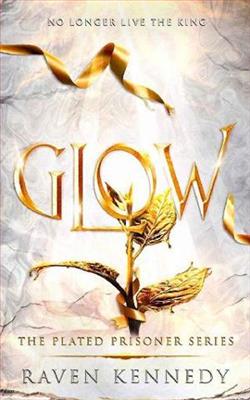
Raven Kennedy's Glow is a captivating addition to the fantasy genre, weaving a tale that is as much about personal empowerment as it is about the intricate dance of power and politics. The book is a continuation of Kennedy's exploration of a world where magic and monarchy intertwine, and it does so with a deft hand that keeps readers engaged from start to finish.
At the heart of Glow is the protagonist's journey from being a pawn in someone else's game to becoming a force to be reckoned with. The blurb sets the stage for a story of transformation and resilience, with the protagonist declaring, “I was nothing but a road to Midas. A means to get to where he wanted to go, and I paved that path in gold.” This statement encapsulates the central theme of the novel: the struggle for autonomy and the reclamation of one's identity.
The character development in Glow is particularly noteworthy. The protagonist's evolution from a gilded prisoner to a powerful, self-assured individual is both compelling and relatable. Kennedy skillfully portrays her internal conflicts and external challenges, allowing readers to empathize with her plight and cheer for her triumphs. The metaphor of the phoenix rising from the ashes is apt, as it symbolizes rebirth and the discovery of inner strength. This transformation is not just physical but also emotional and psychological, making it a rich and rewarding journey for the reader.
One of the most striking aspects of Glow is its exploration of power dynamics. The protagonist's realization that she was merely a tool for King Midas is a poignant commentary on the ways in which individuals can be manipulated and exploited by those in positions of authority. The book delves into the complexities of loyalty and betrayal, highlighting the precarious nature of alliances and the often-blurred lines between friend and foe. The introduction of Slade Ravinger as a new ally adds another layer to this intricate web of relationships, challenging the protagonist to navigate a world where trust is a rare commodity.
In terms of world-building, Kennedy excels at creating a vivid and immersive setting. The frozen kingdoms serve as a backdrop for the protagonist's journey, their harsh and unforgiving landscapes mirroring the internal struggles she faces. The author’s attention to detail brings this world to life, making it a character in its own right. The political intrigue and the looming threat of other monarchs add tension and urgency to the narrative, ensuring that readers remain invested in the outcome.
Comparatively, Glow shares thematic similarities with other works in the fantasy genre, such as Sarah J. Maas's A Court of Thorns and Roses series and Victoria Aveyard's Red Queen. Like these stories, Glow features a strong female protagonist who must navigate a treacherous world of magic and power. However, Kennedy's unique voice and perspective set her work apart, offering a fresh take on familiar tropes. Her ability to blend elements of romance, adventure, and political intrigue makes Glow a standout in its genre.
The overall impact of Glow is one of empowerment and resilience. The protagonist's journey is a testament to the strength of the human spirit and the capacity for growth and change. The book encourages readers to question the roles they play in their own lives and to seek out their own paths to freedom and self-discovery. It is a story that resonates on multiple levels, offering both escapism and introspection.
In conclusion, Raven Kennedy's Glow is a masterful exploration of power, identity, and transformation. With its richly developed characters, intricate plot, and immersive world-building, it is a must-read for fans of fantasy and anyone who appreciates a story of personal growth and empowerment. The book's themes of autonomy and resilience are universal, making it a compelling read for a wide audience. Whether you are new to Kennedy's work or a longtime fan, Glow is sure to leave a lasting impression.



