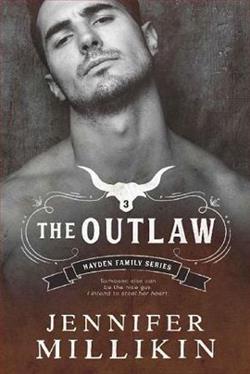
Jennifer Millikin's The Outlaw is a compelling exploration of the fine line between heroism and villainy, set against the backdrop of a ranch that becomes a crucible for personal transformation and emotional discovery. The novel deftly navigates themes of redemption, love, and the complexities of human relationships, all while maintaining a narrative that is both engaging and thought-provoking.
At the heart of the story is the protagonist, whose journey from a troubled past to a hopeful future is both relatable and inspiring. The character's self-awareness of walking the line between hero and villain adds depth to his persona, making him a multi-dimensional figure that readers can root for. His infamous last name and the resulting privileges it affords him serve as a double-edged sword, highlighting the societal dynamics of reputation and privilege. This aspect of the character's life is reminiscent of the classic anti-hero trope, where flawed characters strive for redemption, a theme that resonates with readers who appreciate complex character arcs.
The narrative kicks off with a pivotal moment: the protagonist's arrest and subsequent sentence of community service at Jo Shelton's ranch. This setup is not just a plot device but a catalyst for character development and thematic exploration. The ranch, recently acquired by Jo, becomes a microcosm where past grievances and present tensions collide. The protagonist's initial reluctance to serve his sentence at the ranch is palpable, and Millikin captures this internal conflict with finesse. The tension between the protagonist and Jo is electric, a testament to Millikin's skill in crafting believable and engaging interpersonal dynamics.
Jo Shelton, the female lead, is a character of quiet strength and resilience. Her initial animosity towards the protagonist is rooted in a shared history that is gradually unveiled, adding layers to their relationship. Jo's character is a refreshing departure from the typical damsel in distress trope; she is independent, capable, and fiercely protective of her heart. Her relationship with another man adds complexity to the narrative, creating a love triangle that is both realistic and emotionally charged. The tension between duty and desire is palpable, and Millikin navigates this with a deft hand, ensuring that the emotional stakes remain high throughout the novel.
One of the novel's strengths is its exploration of the theme of redemption. The protagonist's journey is not just about winning Jo's heart but also about proving his worthiness to himself. This internal struggle is beautifully portrayed, with moments of introspection that reveal the character's vulnerabilities and desires. The ranch, with its demands for hard work and perseverance, becomes a metaphor for the protagonist's journey towards self-improvement and redemption. Millikin's portrayal of this transformation is both realistic and inspiring, making it a highlight of the novel.
The chemistry between the protagonist and Jo is undeniable, and Millikin captures their evolving relationship with sensitivity and nuance. The moments of connection between them are poignant, and the gradual unveiling of their shared past adds depth to their interactions. The protagonist's realization of his love for Jo is a turning point in the narrative, and Millikin handles this revelation with grace, ensuring that it feels earned and authentic.
In terms of style, Millikin's prose is both evocative and accessible. Her descriptions of the ranch and its surroundings are vivid, immersing readers in the setting and enhancing the overall reading experience. The dialogue is sharp and realistic, capturing the nuances of the characters' emotions and relationships. Millikin's ability to balance introspection with action ensures that the narrative remains engaging from start to finish.
Comparatively, The Outlaw shares thematic similarities with works by authors like Nicholas Sparks and Colleen Hoover, who also explore themes of love, redemption, and personal growth. However, Millikin's novel stands out for its unique setting and the complexity of its characters. The ranch setting adds a layer of authenticity and grit to the narrative, while the protagonist's journey from anti-hero to hero is both compelling and satisfying.
Overall, The Outlaw is a beautifully crafted novel that explores the complexities of love, redemption, and personal growth. Jennifer Millikin has created a narrative that is both emotionally resonant and thought-provoking, with characters that linger in the reader's mind long after the final page. For readers who appreciate stories of transformation and the power of love to heal and redeem, The Outlaw is a must-read.
In conclusion, Millikin's novel is a testament to the power of storytelling to illuminate the human condition. It is a story of hope, resilience, and the transformative power of love, making it a standout addition to the contemporary romance genre. Whether you're a fan of romance, character-driven narratives, or stories of redemption, The Outlaw offers something for everyone, ensuring its place as a memorable and impactful read.



