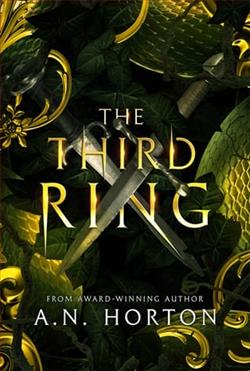
A.N. Horton's The Third Ring is a compelling exploration of power, faith, and survival set against the backdrop of a dystopian society where the whims of the gods dictate the lives of mortals. This novel is a gripping addition to the genre, weaving together elements of fantasy, adventure, and psychological drama to create a narrative that is as thought-provoking as it is thrilling.
At the heart of the story is Adrian, a character who embodies the struggle between personal beliefs and societal expectations. Raised in a world where the gods, known as the Geist, are both revered and feared, Adrian's skepticism towards them is a refreshing departure from the typical protagonist who is either devout or indifferent. Her journey is one of reluctant acceptance, not of the gods themselves, but of the harsh reality that their influence is inescapable. This internal conflict is a driving force in the novel, providing a rich tapestry of emotional and intellectual challenges that Adrian must navigate.
Contrasting Adrian is Dante, a character who represents the very system she despises. Born into privilege and power, Dante is initially portrayed as an antagonist, yet Horton's skillful character development reveals layers of complexity that challenge this perception. The forced bond between Adrian and Dante is a masterstroke, compelling them to confront their biases and work together to survive the Trials. This dynamic is reminiscent of the tension found in Suzanne Collins' The Hunger Games, where characters must navigate alliances and enmities in a life-or-death arena.
The Trials themselves are a standout element of the novel, serving as both a literal and metaphorical crucible for the characters. Horton's depiction of these challenges is vivid and intense, blending physical endurance with psychological manipulation. The Trials are not just tests of strength and wit; they are a commentary on the cruelty of the gods and the societal structures that uphold their power. This theme of systemic oppression is a common thread in dystopian literature, drawing parallels to works like Veronica Roth's Divergent series, where characters must confront the rigid hierarchies that define their world.
One of the most striking aspects of The Third Ring is its exploration of faith and its impact on society. The city of Sanctuary is a microcosm of religious fervor and fear, where the elite's devotion to the Geist is mirrored by the desperation of the poor. Horton's portrayal of this dichotomy is nuanced, avoiding the pitfalls of oversimplification. Instead, she presents a society where faith is both a source of strength and a tool of control, a duality that resonates with real-world religious dynamics.
The novel's pacing is expertly handled, with Horton's prose balancing action with introspection. The narrative is driven by a sense of urgency, yet there are moments of quiet reflection that allow the characters to breathe and the reader to ponder the larger themes at play. This balance is crucial in maintaining the novel's tension and ensuring that the stakes feel real and immediate.
In terms of world-building, Horton excels in creating a setting that is both familiar and fantastical. The walled city of Sanctuary is richly detailed, with its social hierarchies and religious institutions providing a believable backdrop for the story. The mythology of the Geist is intricately woven into the fabric of the world, lending an air of authenticity to the narrative. This attention to detail is reminiscent of the immersive worlds crafted by authors like Leigh Bardugo in her Grisha series, where the setting is as much a character as the people who inhabit it.
Overall, The Third Ring is a powerful exploration of the human condition, examining themes of power, faith, and survival with a deft touch. Horton's characters are complex and relatable, their struggles and triumphs resonating with readers on a profound level. The novel's impact lies in its ability to provoke thought and inspire reflection, challenging readers to consider their own beliefs and the systems that shape their lives.
For fans of dystopian and fantasy literature, The Third Ring offers a fresh perspective on familiar themes, blending action and introspection in a way that is both entertaining and enlightening. A.N. Horton has crafted a tale that is sure to captivate and challenge, leaving readers eager for more.



