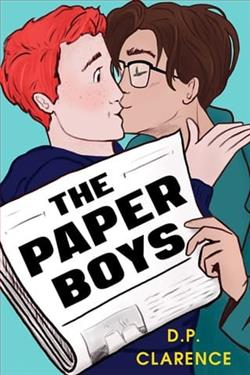
D.P. Clarence's debut novel, The Paper Boys, is a delightful foray into the world of British political journalism, where the lines between professional rivalry and personal attraction blur in the most unexpected ways. This novel is a refreshing addition to the queer romance genre, offering a narrative that is both timely and timeless, with a keen eye for the nuances of class, identity, and love.
At the heart of the story are Sunny Miller and Ludo Boche, two journalists who couldn't be more different. Sunny, hailing from a working-class background, is a reporter for the sensationalist tabloid The Bulletin. His aspirations to write impactful stories that can change the world are often overshadowed by the paper's penchant for scandal and gossip. On the other hand, Ludo Boche, with his privileged upbringing and love for musical theatre, works at the esteemed Sentinel. Ludo's presence is often chaotic, yet he possesses a charm that is hard to ignore.
Their professional rivalry takes an unexpected turn when they both stumble upon a scoop that could shake the foundations of British politics. Forced to collaborate, Sunny and Ludo navigate a labyrinth of political intrigue, all the while grappling with an undeniable attraction that challenges their preconceived notions about each other. The chemistry between the two is palpable, and Clarence skillfully develops their relationship with a balance of humor and sincerity.
One of the novel's standout features is its exploration of class differences and family expectations. Sunny and Ludo's backgrounds are starkly different, and Clarence uses this contrast to delve into the complexities of privilege and ambition. Sunny's struggle to break free from the constraints of his tabloid job and Ludo's attempts to prove himself beyond his privileged upbringing are portrayed with depth and empathy. Their journey is not just about finding love but also about understanding and accepting themselves and each other.
The setting of the novel, from the bustling newsrooms of London to a remote Scottish island, adds a dynamic backdrop to the unfolding drama. Clarence's descriptions are vivid and immersive, capturing the essence of each location and its impact on the characters. The remote island, in particular, serves as a metaphorical space where Sunny and Ludo confront their feelings and the truth about the story they are chasing.
Clarence's writing is infused with razor-sharp wit and laugh-out-loud moments, making The Paper Boys a genuinely entertaining read. The dialogue is crisp and engaging, reflecting the characters' personalities and the tension between them. The supporting cast of characters is equally memorable, each contributing to the story's humor and heart.
In terms of themes, The Paper Boys tackles the power of love to bridge divides, whether they be of class, prejudice, or personal insecurities. The novel also highlights the importance of integrity and courage in journalism, a timely reminder in today's media landscape. Clarence's ability to weave these themes into a romantic comedy without losing the essence of either is commendable.
For fans of queer romance, The Paper Boys will undoubtedly draw comparisons to works like Red, White & Royal Blue by Casey McQuiston and Boyfriend Material by Alexis Hall. Like these novels, Clarence's debut offers a blend of romance, humor, and social commentary that resonates with readers. However, The Paper Boys stands out with its unique setting in the world of British journalism and its exploration of class dynamics.
Overall, The Paper Boys is a heartwarming and thought-provoking read that will appeal to fans of British humor and queer romance. D.P. Clarence has crafted a story that is as engaging as it is meaningful, with characters that linger in the mind long after the last page is turned. This debut novel is a testament to the power of storytelling to entertain, enlighten, and inspire, making it a must-read for anyone looking for a love story that defies conventions and celebrates the unexpected.



