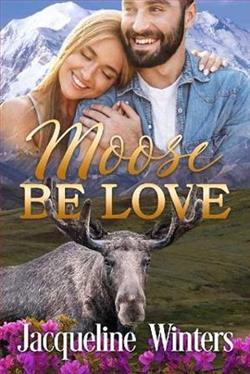
Jacqueline Winters' Moose Be Love is a delightful romantic tale set against the breathtaking backdrop of Alaska, a place that serves as more than just a setting but as a character in its own right. The novel weaves a heartwarming story of love, family, and the difficult choices that come with unexpected inheritances. Winters crafts a narrative that is both charming and poignant, drawing readers into a world where the heart often leads the way, even when the mind resists.
At the heart of the story is Cadence Whitmore, a character who embodies the modern dilemma of balancing personal desires with familial obligations. Cadence and her sisters inherit the Sunset Ridge Lodge, a place filled with memories and potential, yet their initial instinct is to sell it. This decision is not just a financial one but a reflection of their scattered lives and the distance that has grown between them. Cadence's journey to Alaska is supposed to be a brief one, a mere formality before the sale. However, her encounter with the lodge's caretaker, Ford Harris, sets the stage for a transformative experience.
Ford Harris is a character marked by resilience and loyalty. His commitment to his sister and his willingness to fulfill Patty Whitmore's deathbed wish adds layers to his character, making him more than just a romantic interest. Ford's internal conflict—between his growing feelings for Cadence and his obligation to his sister—creates a tension that is both relatable and compelling. Winters skillfully navigates Ford's emotional landscape, making his eventual vulnerability both believable and touching.
The chemistry between Cadence and Ford is palpable from their first meeting. Winters excels in creating moments of genuine connection, where the characters' interactions are laced with humor, warmth, and an underlying tension that keeps readers engaged. The evolution of their relationship is gradual and realistic, avoiding the pitfalls of insta-love that often plague romance novels. Instead, Winters allows their relationship to develop organically, with each character's personal growth contributing to their eventual union.
One of the novel's most significant themes is the idea of home and belonging. For Cadence, the lodge represents a past she thought she had left behind, yet it also offers a future she never imagined. The decision to keep or sell the lodge becomes a metaphor for her internal struggle between the life she has built and the life she could have. Winters uses the Alaskan setting to underscore this theme, with the rugged beauty of the landscape mirroring Cadence's journey towards self-discovery and acceptance.
Ford's secret, a narrative device that could easily have been mishandled, is introduced with subtlety and care. Winters avoids melodrama, instead focusing on the emotional stakes involved. The revelation of Ford's secret is a pivotal moment, testing the strength of Cadence and Ford's relationship and forcing them to confront their fears and insecurities. This plot twist is handled with finesse, adding depth to the story without overshadowing the central romance.
Winters' writing is both evocative and accessible, capturing the essence of small-town life and the complexities of human relationships. Her descriptions of Alaska are vivid and immersive, transporting readers to a place where nature's majesty is ever-present. This attention to detail enhances the novel's atmosphere, making it easy for readers to lose themselves in the story.
In comparison to other romance novels set in idyllic locations, such as Debbie Macomber's Cedar Cove series or Susan Mallery's Fool's Gold series, Moose Be Love stands out for its nuanced character development and emotional depth. While Macomber and Mallery excel in creating charming communities and engaging storylines, Winters' focus on the internal journeys of her characters adds a layer of introspection that enriches the reading experience.
Overall, Moose Be Love is a testament to Jacqueline Winters' ability to craft a romance that is both heartwarming and thought-provoking. The novel's exploration of love, loss, and the ties that bind us to places and people is executed with grace and sensitivity. Readers looking for a romance that offers more than just a happy ending will find much to appreciate in this beautifully written story. Winters invites us to consider what it means to truly belong and the courage it takes to follow one's heart, even when the path is uncertain.
For those who enjoy a romance that is as much about personal growth as it is about finding love, Moose Be Love is a must-read. Its blend of humor, heart, and the stunning Alaskan setting makes it a standout in the genre, promising a reading experience that is both satisfying and memorable.



