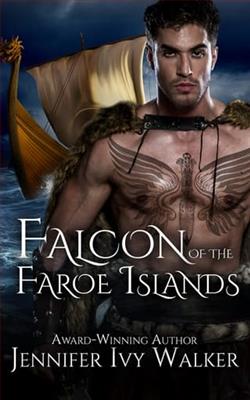
Jennifer Ivy Walker's Falcon of the Faroe Islands is a captivating conclusion to the Valiant Vikings trilogy, a series that has masterfully woven together the threads of historical fiction, Norse mythology, and romance. This final installment continues to deliver the rich tapestry of tenth-century Viking life, infused with elements of the supernatural and the mystical.
At the heart of the narrative is Haldor Falk, a character who embodies the quintessential Viking warrior. His transformation into a falcon, a gift from the Goddess Freyja, adds a layer of complexity and intrigue to his character. This ability is not merely a fantastical element but serves as a metaphor for his dual nature—both fierce and free, bound by duty yet yearning for freedom. Haldor's journey is one of growth and self-discovery, as he navigates the challenges of mentorship and the responsibilities of his supernatural gifts.
The relationship between Haldor and his acolyte, Skjöld, is a central theme of the book. Skjöld's evolution from a young, inexperienced warrior into a formidable warlord under Haldor's tutelage is a testament to the strength of their bond. This mentor-student dynamic is portrayed with depth and nuance, highlighting the themes of legacy and the passing of wisdom from one generation to the next.
Úlvhild, Haldor’s lover and a powerful völva, is another standout character. Her mastery of seiðr magic and her foresight into the future add a layer of tension and urgency to the narrative. Úlvhild is a character of strength and vulnerability, her love for Haldor driving her to confront unimaginable dangers. Her journey is one of sacrifice and courage, as she faces the crimson-eyed witch to protect her beloved and ensure the prophecy's fulfillment. The emotional depth of Úlvhild's character adds a poignant layer to the story, making her struggles and triumphs deeply resonant.
The book's setting in the wild north of Norway and the Viking stronghold of Normandy is vividly brought to life through Walker's descriptive prose. The harsh landscapes and the vibrant Viking culture are depicted with authenticity and detail, immersing the reader in a world that is both brutal and beautiful. The inclusion of Norse mythology and the supernatural elements, such as the Dökkálfar Dark Elves and the Norns, enrich the narrative, providing a mystical backdrop that enhances the story's epic scope.
Walker’s ability to blend historical accuracy with fantasy elements is reminiscent of the works of authors like Bernard Cornwell and Neil Gaiman. Like Cornwell, Walker captures the essence of the Viking era with meticulous attention to detail, while her incorporation of mythological elements is akin to Gaiman’s skillful weaving of the fantastical into the everyday. This combination creates a unique reading experience that appeals to fans of both historical fiction and fantasy.
The themes of destiny and prophecy are central to the narrative, driving the characters' actions and decisions. The prophecy concerning the Son of the Dragon adds an element of suspense and inevitability, as the characters grapple with their roles in its fulfillment. The exploration of fate versus free will is a compelling aspect of the story, prompting readers to ponder the extent to which our lives are predetermined.
In terms of romance, Falcon of the Faroe Islands delivers a passionate and intense love story between Haldor and Úlvhild. Their relationship is portrayed with depth and authenticity, capturing the complexities of love in a world fraught with danger and uncertainty. The romantic elements are seamlessly integrated into the narrative, enhancing the emotional stakes and providing a counterbalance to the action and adventure.
Overall, Falcon of the Faroe Islands is a fitting conclusion to the Valiant Vikings trilogy. It is a story of love, loyalty, and the enduring power of destiny. Walker's skillful storytelling and rich character development make this book a must-read for fans of historical fiction and fantasy alike. The novel's blend of action, romance, and mythology ensures that it will resonate with a wide audience, leaving readers both satisfied and longing for more tales from this captivating world.
For those who have followed the series from the beginning, this final installment offers a rewarding and satisfying conclusion. For new readers, it serves as an enticing introduction to Walker's world, inviting them to explore the previous books and immerse themselves in the epic saga of the Valiant Vikings.



