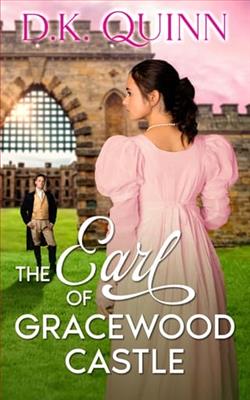
D.K. Quinn's The Earl of Gracewood Castle is a delightful addition to the Regency romance genre, offering readers a charming blend of historical intrigue, character development, and the timeless allure of opposites attracting. The novel centers around Lady Constance Ashbrook, a character who defies the conventional expectations of her time, and the enigmatic Earl of Gracewood, whose initial brusqueness belies a deeper complexity. Together, they navigate the intricacies of societal norms and personal growth, set against the evocative backdrop of the Northumberland countryside.
One of the most compelling aspects of this novel is its exploration of themes such as self-discovery, forgiveness, and the courage to defy societal expectations. Lady Constance, often teased for her intellectual pursuits and labeled a "bluestocking," embodies the struggle of women in the Regency era who dared to step outside the confines of traditional roles. Her passion for history and castles is not merely a hobby but a symbol of her desire for independence and self-fulfillment. This theme resonates with modern readers who appreciate strong, intelligent female protagonists who challenge the status quo.
The character development in The Earl of Gracewood Castle is both nuanced and satisfying. Lady Constance is a well-rounded character whose journey from a misunderstood daughter to a confident woman is portrayed with sensitivity and depth. Her initial interactions with the Earl are fraught with tension, yet they serve as a catalyst for her growth. The Earl, on the other hand, is a character shrouded in mystery and complexity. His gruff exterior and quick temper are gradually peeled away to reveal a man burdened by past regrets and a longing for redemption. The transformation of both characters is handled with a deft touch, making their eventual romance not only believable but deeply rewarding.
The novel also excels in its depiction of setting. Gracewood Castle, with its abandoned grandeur and hidden secrets, serves as a perfect metaphor for the Earl himself. The castle's enchanting yet neglected state mirrors the Earl's own journey from isolation to emotional openness. Quinn's descriptive prose brings the setting to life, immersing readers in the atmospheric beauty of the Northumberland countryside. The contrast between the vibrant social scenes at the ball and the quiet solitude of the castle adds depth to the narrative, highlighting the characters' internal conflicts and desires.
Quinn's writing is characterized by its elegant prose and attention to historical detail. The dialogue is witty and sharp, capturing the essence of Regency-era social interactions while also allowing the characters' personalities to shine through. The author skillfully balances the romantic tension with moments of humor and introspection, creating a narrative that is both engaging and emotionally resonant.
In comparison to other Regency romances, such as those by Julia Quinn or Mary Balogh, D.K. Quinn's novel stands out for its focus on intellectual pursuits and the inner lives of its characters. While the romantic plot is central to the story, it is the characters' personal journeys and the themes of self-acceptance and forgiveness that leave a lasting impact. Readers who enjoy the works of Georgette Heyer will find a similar charm and wit in Quinn's storytelling, though with a modern sensibility that appeals to contemporary audiences.
Overall, The Earl of Gracewood Castle is a captivating read that offers more than just a traditional romance. It is a story about finding one's place in the world, the courage to embrace one's true self, and the transformative power of love. D.K. Quinn has crafted a novel that is both timeless and timely, appealing to readers who appreciate historical romance with depth and substance. Whether you are a long-time fan of the genre or a newcomer, this book promises to enchant and inspire, leaving you eagerly anticipating the author's next offering.



