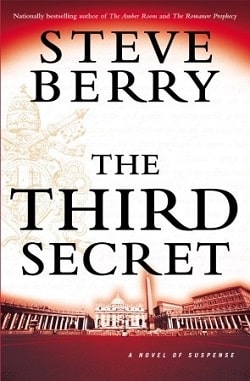
Steve Berry's The Third Secret is a gripping thriller that intertwines historical intrigue with contemporary issues, all while exploring the profound themes of faith, power, and the quest for truth. Set against the backdrop of the famous apparitions at Fatima, Portugal, in 1917, the novel delves into the mysteries surrounding the third secret revealed to three peasant children by the Virgin Mary—a secret that remains shrouded in controversy and speculation.
The narrative opens with a vivid portrayal of the Fatima events, establishing a strong historical foundation that resonates throughout the book. Berry's meticulous research shines through, as he weaves real historical events with fictional elements, creating a tapestry that feels both authentic and engaging. The tension escalates as the story shifts to present-day Vatican City, where the newly elected Pope Clement XV grapples with the implications of the third secret, which has been kept hidden from the world. This dual timeline not only enriches the narrative but also invites readers to ponder the weight of history on contemporary faith.
At the heart of the story is Father Colin Michener, the papal secretary, who is portrayed as a man caught between his loyalty to the Pope and the machinations of the ambitious Cardinal Alberto Valendrea. Michener's character development is particularly compelling; he evolves from a dutiful servant of the Church into a man driven by a personal quest for truth and redemption. His internal struggles are palpable, especially as he grapples with his forbidden love for a woman who complicates his already tumultuous life. This emotional depth adds layers to his character, making him relatable and human in a world often dominated by power plays and political maneuvering.
Berry expertly crafts a sense of urgency as Michener embarks on a perilous journey across Europe, from the Romanian highlands to a Bosnian holy site, in search of a priest who may hold the key to the true message of Mary. The pacing of the novel is brisk, with each chapter ending on a note of suspense that compels readers to turn the page. The stakes are high, not only for Michener but for the Church itself, as the potential revelation of the third secret threatens to unravel the very fabric of faith for millions.
One of the most striking aspects of The Third Secret is its exploration of the theme of faith versus doubt. Berry poses challenging questions about the nature of belief and the lengths to which individuals will go to protect their faith. The character of Cardinal Valendrea embodies the darker side of ambition, showcasing how the desire for power can corrupt even the most sacred institutions. His machinations serve as a reminder of the fragility of faith in the face of human ambition and greed.
The novel also delves into the concept of secrets—both personal and institutional. The third secret itself becomes a symbol of the hidden truths that lie beneath the surface of organized religion. Berry invites readers to consider what it means to hold onto secrets and the potential consequences of their revelation. This theme resonates deeply in a world where transparency is increasingly demanded, yet often resisted by those in power.
Berry's writing style is engaging and accessible, with a knack for vivid descriptions that transport readers to the various locales he describes. The settings are not merely backdrops but integral to the story, enhancing the atmosphere of mystery and intrigue. The author’s ability to blend historical facts with fiction is commendable, making the narrative both educational and entertaining.
In comparison to other works in the genre, such as Dan Brown's The Da Vinci Code, The Third Secret stands out for its focus on the complexities of faith rather than solely on conspiracy theories. While both authors share a penchant for intertwining history with fiction, Berry's approach is more nuanced, offering a deeper exploration of the characters' motivations and the moral dilemmas they face. This thematic richness elevates the novel beyond a mere thriller, inviting readers to engage with the philosophical questions it raises.
Overall, The Third Secret is a thought-provoking and thrilling read that will resonate with fans of historical fiction and religious intrigue. Berry's ability to craft a narrative that is both suspenseful and reflective makes this book a standout in his oeuvre. The interplay between faith and doubt, ambition and morality, is masterfully executed, leaving readers contemplating the nature of truth long after the final page is turned.
For those seeking a captivating story that challenges their perceptions of faith and power, The Third Secret is a must-read. It not only entertains but also encourages a deeper understanding of the complexities of belief in a modern world. Berry has once again proven his prowess as a storyteller, and this novel is sure to leave a lasting impact on its audience.



