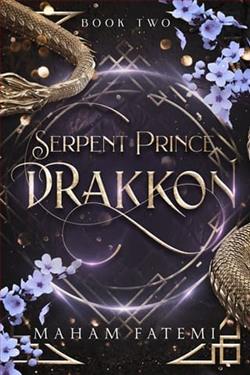
Maham Fatemi’s Serpent Prince is a captivating tale that weaves together themes of power, loyalty, and the complexities of human emotions against a backdrop of political intrigue and ancient magic. The novel is a compelling exploration of how love and hatred can intertwine, creating a narrative that is as unpredictable as it is engaging.
The story begins with a dramatic upheaval—the usurpation of the throne by a wicked emperor, which leaves Princess Biyu, the protagonist, in a state of loss and despair. This initial setting establishes the high stakes and the emotional turmoil that Biyu must navigate throughout the novel. Fatemi skillfully crafts a world where the past haunts the present, and every character is driven by their own motives and desires.
One of the most striking aspects of Serpent Prince is its exploration of power dynamics. Biyu, once a princess, is now a prisoner, and her journey is one of reclaiming agency in a world that seeks to strip it from her. Her character development is nuanced and compelling; she is not a passive victim but a determined and resourceful woman who is willing to take risks to achieve her goals. Her internal conflict—balancing her desire for revenge with the unexpected emotions she develops for Nikator—adds depth to her character and keeps the reader invested in her journey.
Nikator, the emperor’s most ruthless warrior, is a complex character in his own right. Initially portrayed as a merciless and cruel enforcer of the emperor’s will, his character gradually reveals layers of vulnerability and conflict. The forced marriage between Biyu and Nikator, a result of a spell gone awry, serves as a catalyst for both characters to confront their preconceived notions about each other. This dynamic is reminiscent of the classic enemies-to-lovers trope, but Fatemi infuses it with fresh energy by grounding it in a richly detailed world of political intrigue and magic.
The theme of loyalty is central to the narrative. Biyu’s loyalty to her family and her desire to reclaim the throne are constantly at odds with her growing feelings for Nikator. Similarly, Nikator’s loyalty to the emperor is challenged by his unexpected bond with Biyu. This tension creates a compelling narrative drive, as both characters must navigate their conflicting loyalties while dealing with the external threats posed by the emperor’s court.
Fatemi’s writing is evocative and immersive, bringing to life the opulent yet dangerous world of the emperor’s palace. The descriptions of the setting are lush and vivid, creating a sense of place that enhances the story’s tension and drama. The use of ancient magic as a plot device is particularly effective, adding an element of unpredictability to the narrative and highlighting the theme of unintended consequences.
In terms of pacing, Serpent Prince maintains a steady rhythm that keeps the reader engaged from start to finish. The plot is intricately woven, with twists and turns that keep the reader guessing. Fatemi expertly balances action with introspection, ensuring that the characters’ emotional journeys are given as much weight as the external conflicts they face.
Comparatively, Serpent Prince shares thematic similarities with works like Sarah J. Maas’s Throne of Glass series and Sabaa Tahir’s An Ember in the Ashes. Like these novels, Fatemi’s book explores themes of power, loyalty, and the complexities of human relationships in a richly imagined world. However, Serpent Prince stands out for its unique blend of political intrigue and magical elements, as well as its focus on the psychological and emotional development of its characters.
Overall, Serpent Prince is a compelling and thought-provoking read that will appeal to fans of fantasy and romance alike. Maham Fatemi has crafted a story that is both entertaining and emotionally resonant, with characters that linger in the reader’s mind long after the final page is turned. The novel’s exploration of the blurred lines between love and hate, loyalty and betrayal, makes it a standout addition to the genre.
In conclusion, Serpent Prince is a testament to Fatemi’s skill as a storyteller. It is a novel that challenges the reader to consider the complexities of human emotions and the consequences of our choices. For those seeking a story that combines the thrill of political intrigue with the depth of character-driven drama, Serpent Prince is a must-read.



