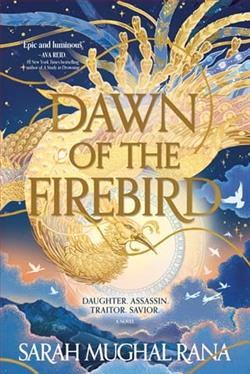
Sarah Mughal Rana's Dawn of the Firebird is a mesmerizing addition to the fantasy genre, weaving a tale that is as much about personal identity and moral dilemmas as it is about epic battles and magical prowess. For readers who have been captivated by the intricate world-building of The Poppy War or the gender-bending narratives of She Who Became the Sun, Rana's novel offers a fresh yet familiar experience that is both thrilling and thought-provoking.
At the heart of the story is Khamilla Zahr-zad, a character whose journey is defined by the duality of her existence. As the daughter of an overthrown emperor, Khamilla's life is steeped in the legacy of her father's reign and the violent upheaval that followed. Her character is a fascinating study in contrasts: she is both a product of her upbringing and a rebel against it. Her quest for vengeance is not just a personal vendetta but a struggle to reclaim her identity and place in a world that has been upended by war.
Rana's portrayal of Khamilla is nuanced and layered, making her a compelling protagonist. The author deftly explores Khamilla's internal conflict as she grapples with the teachings of her father and the harsh realities she encounters in the enemy's army school. This setting, the magical city of Za’skar, is a vibrant backdrop that enhances the narrative. The city is a melting pot of jinn, magic, and martial arts, and Rana's descriptive prowess brings it to life in vivid detail.
The theme of identity is central to the novel, and Rana explores it with sensitivity and depth. Khamilla's journey is not just about avenging her clan but also about discovering who she is beyond the shadow of her father's legacy. This exploration of self is mirrored in the broader political landscape of the novel, where alliances shift and the truth is often obscured by propaganda and myth. As Khamilla delves deeper into the history of her people and the rival empire, she is forced to confront uncomfortable truths that challenge her understanding of right and wrong.
Another significant theme is the nature of power and its corrupting influence. Khamilla's magical ability, the heavenly magic of nur, is both a blessing and a curse. It is a source of strength that sets her apart, but it also makes her a target for those who would use her as a weapon. Rana skillfully examines the seductive nature of power and the moral compromises it demands. Khamilla's struggle to maintain her integrity while wielding such power is a poignant reflection of the broader conflicts in the novel.
The supporting characters in Dawn of the Firebird are equally well-crafted, each contributing to the rich tapestry of the story. The cutthroat mystic monks and fellow soldiers at the army school are not mere foils for Khamilla's development but fully realized individuals with their own motivations and secrets. Rana's ability to create complex, multi-dimensional characters is one of the novel's greatest strengths, adding depth and realism to the fantastical setting.
In terms of pacing, Rana strikes a delicate balance between action and introspection. The novel's battle scenes are exhilarating, showcasing Khamilla's martial prowess and strategic acumen. Yet, it is in the quieter moments of reflection and dialogue that the story truly shines. Rana's prose is both lyrical and precise, capturing the emotional nuances of Khamilla's journey with elegance and clarity.
Comparisons to other works in the genre are inevitable, and Dawn of the Firebird holds its own among them. Like The Poppy War, it explores the devastating impact of war and the moral ambiguities of leadership. However, Rana's focus on personal identity and the search for truth sets it apart, offering a fresh perspective on familiar themes. Similarly, while it shares thematic elements with She Who Became the Sun, particularly in its exploration of gender and power, Rana's novel is distinguished by its unique cultural influences and magical system.
Overall, Dawn of the Firebird is a remarkable debut that heralds the arrival of an exciting new voice in fantasy literature. Sarah Mughal Rana has crafted a story that is both epic in scope and intimate in its exploration of character. It is a novel that challenges readers to question their assumptions about power, identity, and the nature of truth. For those seeking a fantasy novel that is as intellectually engaging as it is entertaining, Dawn of the Firebird is an essential read.
In conclusion, Rana's novel is a testament to the enduring power of storytelling. It is a tale of vengeance and redemption, of darkness and light, and ultimately, of the indomitable spirit of a young woman who dares to defy her destiny. Dawn of the Firebird is a book that will linger in the minds of readers long after the final page is turned, a testament to the transformative power of fantasy literature.



