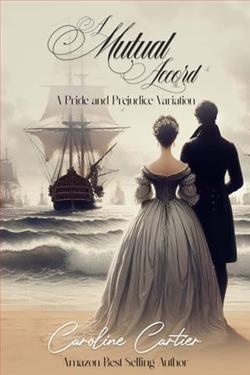
Caroline Cartier's A Mutual Accord is a delightful addition to the ever-expanding world of Austenesque literature, offering a fresh take on the beloved characters from Jane Austen's Pride and Prejudice. With a narrative that begins immediately after the Netherfield Ball, Cartier crafts a story that is both familiar and refreshingly new, weaving romance, intrigue, and adventure into a tapestry that is sure to captivate fans of the original novel.
One of the most striking aspects of A Mutual Accord is its exploration of early declarations of affection between the central couples, Mr. Darcy and Elizabeth Bennet, and Mr. Bingley and Jane Bennet. By accelerating their courtships, Cartier allows readers to indulge in the romantic resolutions they have longed for, while simultaneously setting the stage for unexpected challenges. This narrative choice not only satisfies the desire for a happy ending but also opens the door to new plot developments that keep the story engaging.
The character development in this novel is particularly noteworthy. Cartier takes the opportunity to delve deeper into the lives of secondary characters, offering them a chance to shine. Lady Catherine de Bourgh, often portrayed as a one-dimensional antagonist, is given a more nuanced portrayal. Her illness and subsequent vulnerability reveal a side of her that is rarely seen, allowing for a redemption arc that is both surprising and touching. This transformation adds depth to her character and provides a compelling reason for Elizabeth, Lydia, and Georgiana to rally around her.
Cartier also introduces new characters, such as the enigmatic Count of St Germain, whose presence adds an element of mystery and intrigue. His character raises fascinating questions about time and immortality, adding a layer of complexity to the narrative. The Count's interactions with the main characters are skillfully woven into the plot, enhancing the story's overall impact.
The theme of family and loyalty is central to the novel, as the characters navigate the challenges posed by Lady Catherine's illness and the subsequent revelations. The bonds between family members are tested and strengthened, highlighting the importance of unity in the face of adversity. This theme is further explored through Colonel Fitzwilliam's undercover work for the War Office, which adds a layer of espionage and treason to the story. His dedication to his duty and his family is a testament to the novel's exploration of loyalty and honor.
Cartier's writing is both elegant and engaging, capturing the essence of Austen's style while adding her own unique voice. The dialogue is sharp and witty, reminiscent of Austen's original work, yet infused with a modern sensibility that makes it accessible to contemporary readers. The pacing of the novel is well-balanced, with moments of tension and suspense interspersed with scenes of romance and introspection.
In terms of overall impact, A Mutual Accord succeeds in offering a fresh perspective on a classic story. By blending elements of romance, mystery, and adventure, Cartier creates a narrative that is both entertaining and thought-provoking. The novel's exploration of themes such as love, loyalty, and redemption resonates with readers, making it a compelling addition to the Austenesque genre.
When compared to other Austenesque works, such as those by authors like Jo Baker or P.D. James, Cartier's novel stands out for its unique blend of genres and its focus on character development. While Baker's Longbourn offers a downstairs perspective on the events of Pride and Prejudice, and James's Death Comes to Pemberley adds a murder mystery twist, A Mutual Accord combines elements of both, creating a story that is both familiar and refreshingly original.
In conclusion, Caroline Cartier's A Mutual Accord is a captivating Austenesque adventure that offers a fresh take on beloved characters and themes. With its engaging plot, well-developed characters, and exploration of love, loyalty, and redemption, this novel is sure to delight fans of Jane Austen and newcomers alike. Whether you're a longtime admirer of Austen's work or simply looking for a compelling story, A Mutual Accord is a must-read that will leave you eagerly anticipating Cartier's next literary endeavor.



