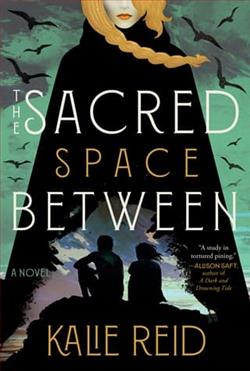
Kalie Reid's The Sacred Space Between is a mesmerizing foray into the world of fantasy, where the lines between devotion and rebellion blur in a tale that is both enchanting and thought-provoking. This novel, with its intriguing premise of an enemies-to-lovers dynamic set against a backdrop of magic and control, invites readers to explore the complexities of faith, power, and personal freedom.
At the heart of the story is Jude, an exiled saint whose life has been marred by the Abbey's oppressive control. Reid crafts Jude as a character of depth and nuance, a man who yearns for a life unshackled by the chains of his past. His journey from exile to potential rebellion is not just a physical one but an emotional and psychological odyssey. Jude's character development is one of the novel's strongest points, as Reid deftly explores his internal struggles and desires for autonomy.
Enter Maeve, the devout iconographer sent by the Abbey to paint Jude. Initially, she appears as a mere instrument of the Abbey's will, but Reid quickly reveals layers to her character that are both surprising and compelling. Maeve's discovery of her own tainted magic, akin to Jude's, sets the stage for a partnership that is as fraught with tension as it is with potential. The evolution of Maeve's character from a loyal servant of the Abbey to a woman questioning her beliefs is handled with care and precision, making her journey as captivating as Jude's.
The relationship between Jude and Maeve is the novel's emotional core. Their transition from adversaries to allies, and eventually to something more, is portrayed with a realism that is often missing in fantasy romances. Reid does not rush their relationship; instead, she allows it to develop organically, with each character challenging and changing the other in profound ways. This slow burn is both satisfying and believable, making their eventual partnership feel earned and genuine.
Reid's world-building is another highlight of The Sacred Space Between. The Abbey, with its memory magic and authoritarian control, serves as a chilling reminder of the dangers of unchecked power. The bleak moors where Jude is exiled are described with a haunting beauty that underscores the isolation and desolation he feels. Reid's prose is both lyrical and evocative, painting a vivid picture of a world where magic is both a gift and a curse.
Thematically, the novel explores the tension between freedom and control, faith and doubt. The Abbey's manipulation of memory magic to maintain its power raises questions about the nature of belief and the cost of blind devotion. Jude and Maeve's struggle against the Abbey is not just a fight for personal freedom but a broader commentary on the importance of questioning authority and the courage it takes to stand against oppression.
Reid's exploration of memory and identity is particularly poignant. The idea that the Abbey can control its patrons by altering their memories is a chilling concept, one that resonates with contemporary concerns about surveillance and the erosion of personal privacy. Jude and Maeve's fight to reclaim their memories and, by extension, their identities, is a powerful metaphor for the struggle to maintain one's sense of self in the face of external pressures.
In comparison to other works in the genre, The Sacred Space Between stands out for its focus on character development and thematic depth. Fans of Divine Rivals and A Study in Drowning will find much to appreciate in Reid's novel, as it shares their emphasis on complex characters and moral ambiguity. However, Reid's work is distinguished by its unique blend of fantasy and social commentary, offering readers a story that is both entertaining and thought-provoking.
Overall, The Sacred Space Between is a triumph of fantasy storytelling. Kalie Reid has crafted a novel that is rich in both imagination and insight, with characters that linger in the mind long after the final page is turned. For readers seeking a fantasy novel that challenges as much as it enchants, this book is a must-read. It is a reminder of the power of stories to illuminate the human condition and the enduring struggle for freedom and truth.



