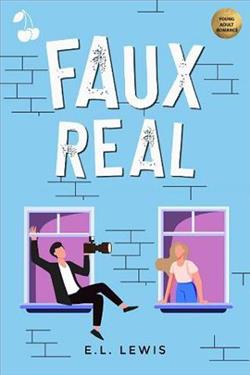
E.L. Lewis's Faux Real is a captivating exploration of teenage angst, identity, and the complexities of relationships. Set against the backdrop of Hilton Prep Academy, the novel delves into the lives of Kennedy Carmichael and Oliver Knight, two seemingly disparate characters whose paths intertwine in unexpected ways. The book's premise, centered around a fake relationship that evolves into something genuine, is a familiar trope in young adult fiction, yet Lewis manages to infuse it with fresh energy and emotional depth.
At the heart of Faux Real is Kennedy Carmichael, a relatable protagonist grappling with the typical challenges of high school life. Her decision to engage in a faux relationship with Oliver is initially driven by a desire to make her ex-boyfriend, Sawyer, jealous. This impulsive choice sets the stage for a narrative that is both entertaining and thought-provoking. Kennedy's character is well-developed, and her internal struggles are portrayed with authenticity. Her journey from a girl seeking validation through external means to someone who learns to value herself is a central theme that resonates deeply with readers.
Oliver Knight, the charming yet troubled British exchange student, serves as a perfect foil to Kennedy. His backstory, marked by familial pressures and a history of rebellious behavior, adds layers to his character. Oliver's initial portrayal as an arrogant outsider gradually gives way to a more nuanced understanding of his vulnerabilities. His relationship with Kennedy is not just a plot device but a catalyst for his own personal growth. Through their interactions, Oliver learns the importance of responsibility and self-reflection, making him a compelling character in his own right.
The dynamic between Kennedy and Oliver is the driving force of the novel. Their chemistry is palpable, and Lewis skillfully navigates the transition from a staged romance to a genuine connection. The progression of their relationship is handled with care, allowing readers to invest emotionally in their journey. The author avoids the pitfalls of insta-love, instead opting for a slow burn that feels both realistic and satisfying. This gradual development is a testament to Lewis's ability to craft believable and engaging character arcs.
One of the standout aspects of Faux Real is its exploration of themes such as identity, self-worth, and the pressures of societal expectations. Kennedy's struggle with her self-image and her desire to be seen as more than just a pretty face is a recurring motif. The novel addresses the impact of peer pressure and the influence of social hierarchies within the high school setting. Through Kennedy's interactions with the "mean girls" and her evolving friendship with Oliver, Lewis highlights the importance of authenticity and staying true to oneself.
In addition to its thematic depth, Faux Real is peppered with humor and wit. The banter between Kennedy and Oliver is sharp and entertaining, providing moments of levity amidst the more serious undertones. The supporting cast, including Kennedy's friends and Oliver's Aunt Bessie, add richness to the narrative. Aunt Bessie, in particular, is a delightful character whose strict demeanor masks a genuine concern for Oliver's well-being. Her interactions with Oliver provide insight into his background and motivations, further enriching the story.
Comparatively, Faux Real shares thematic similarities with other young adult novels that explore fake relationships, such as Jenny Han's To All the Boys I've Loved Before and Kasie West's The Fill-In Boyfriend. However, Lewis distinguishes her work through a more nuanced exploration of character development and emotional growth. While the premise may be familiar, the execution is what sets Faux Real apart, making it a standout addition to the genre.
The novel's pacing is well-balanced, with a blend of lighthearted moments and more introspective scenes. Lewis's writing style is engaging and accessible, making it easy for readers to immerse themselves in the world of Hilton Prep Academy. The dialogue is natural and reflective of the characters' personalities, enhancing the overall reading experience.
In conclusion, E.L. Lewis's Faux Real is a compelling and heartfelt exploration of teenage life and the complexities of relationships. Through well-drawn characters and a thoughtfully crafted narrative, the novel offers a fresh take on the fake relationship trope. Its themes of identity, self-worth, and authenticity are handled with sensitivity and depth, making it a relatable and impactful read. For fans of young adult fiction, Faux Real is a must-read that will leave a lasting impression.



