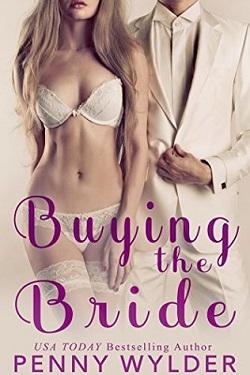
Buying the Bride by Penny Wylder is a plunge into the tempestuous waters of modern-day arranged marriages, where the thrill of forbidden love meets the pragmatism of transactional relationships. The novel follows the story of Mia, a young, spirited woman who finds herself in the murky world of marital negotiations, and Aidan, the powerful, enigmatic businessman who buys Mia as his bride. This premise sets the stage for a whirlwind romance filled with passion, betrayal, and the quest for genuine connection.
Wylder has crafted a narrative that is as provocative as it is enchanting. The author’s writing style is fluid and vivid, which brings the characters and their emotional landscapes to life. Mia, as the protagonist, is beautifully developed. She is not just a victim of her circumstances but a woman with depth, strength, and a clear voice. Her fears, desires, and inner conflicts are portrayed with a sensitivity that makes her relatable and real. On the other hand, Aidan is a character shrouded in mystery for the better part of the book. His transformation from a perceived corporate shark to a layered individual with his own vulnerabilities is one of the highlights of Wylder's storytelling.
The concept of a 'bought' bride might sit uncomfortably with some readers, but Wylder navigates this controversial terrain with a deft hand. The romance that blossoms between Mia and Aidan is careful to never glorify the power imbalance at its inception. Instead, the reader witnesses a gradual leveling of the playing field as both characters reveal themselves to each other. The erotic scenes are tantalizing and well-placed, enhancing the growing connection between the characters without overshadowing the emotional development of their relationship.
However, Buying the Bride is more than just a steamy romance. It prompts the reader to think about the societal norms and personal boundaries. Wylder uses the backdrop of a transactional marriage to discuss issues of consent, autonomy, and the inherent worth of a person beyond monetary value. These themes are interwoven into the narrative without becoming preachy or losing the entertainment factor of the genre.
The pacing of the story is another aspect where Wylder excels. The plot moves swiftly without feeling rushed. Each twist and turn appears just as the reader settles into the current dynamic, keeping the tension high and the pages turning. The climax of the story is particularly well executed, delivering a satisfying payoff to the emotional investment made by the reader. The resolution is thoughtful, providing a conclusion that respects the complexity of the characters’ journey.
Despite its strengths, the book might not escape criticism, particularly regarding its premise. Some readers might find the basis of the plot—a man buying a bride—to be a challenging pill to swallow, potentially overshadowing the nuanced exploration of the relationship that follows. Moreover, while the character development is strong with the leads, some of the secondary characters come off as a bit one-dimensional, serving more as plot devices than as integral parts of the story.
For fans of the romance genre looking for something that combines heat with heart, and isn’t afraid to tackle darker themes, Buying the Bride by Penny Wylder is a captivating choice. It stretches the boundaries of traditional romance to offer something grittier, more real, and ultimately, more rewarding. Through it all, it’s a potent reminder of the power of love to transcend the constraints of commerce, and the importance of seeing the person behind the price tag. Wylder's novel is a bold exploration of love’s marketplace, but at its core, it champions the priceless nature of human connection.
In conclusion, if you are intrigued by the dynamics of power, love, and transformative emotional journeys, Buying the Bride will be a worthwhile addition to your reading list. Penny Wylder delivers a thought-provoking, steamy, and emotionally charged novel that not only entertains but also invites reflection on the transactional elements that often pervade even the most intimate human relationships.



