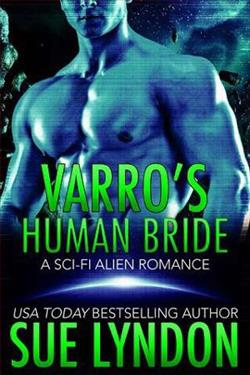
Sue Lyndon's Varro's Human Bride is a compelling blend of science fiction and romance that explores themes of identity, trust, and the complexities of cross-cultural relationships. The narrative is set against the backdrop of a distant alien planet, Tarrkua, where human and alien interactions are not only possible but integral to the survival of the Tarrkuan race. This book is a captivating journey into a world where love transcends species, and the heart's desires often conflict with societal duties.
At the heart of the story is Julie, a resourceful and determined protagonist who is willing to assume another's identity to reunite with her sister. This act of desperation sets the stage for a tale filled with tension and intrigue. Julie's character is well-developed, and her internal conflict is palpable as she navigates the complexities of her deceit. Her journey is not just about reaching her sister but also about discovering her own strength and capacity for love in an alien world.
Varro, the male protagonist, is a character shaped by past betrayals and a deep sense of duty to his people. His initial reluctance to trust another female is understandable, given his history, yet his character arc is one of growth and acceptance. The warmth he feels upon meeting Julie suggests an innate connection that transcends the circumstances of their arranged marriage. Varro's dual role as both husband and master introduces a dynamic of power and submission that is central to the narrative.
The theme of power dynamics is explored through the relationship between Julie and Varro. The concept of Varro being Julie's master is a recurring motif, and while it may raise eyebrows, it is portrayed with a balance of authority and tenderness. Varro's strictness is tempered by his genuine affection for Julie, creating a complex relationship that challenges traditional notions of marriage and partnership. This dynamic is reminiscent of other works in the genre, such as those by Ruby Dixon, where alien-human relationships often involve a blend of dominance and devotion.
Lyndon's writing style is engaging, with a keen attention to detail that brings the alien world of Tarrkua to life. The cultural nuances of the Tarrkuan society are intricately woven into the narrative, providing a rich backdrop for the unfolding romance. The author's ability to create a believable and immersive world is one of the book's strengths, drawing readers into a universe where the extraordinary becomes relatable.
The tension in the story is heightened by the impending revelation of Julie's deceit. This element of suspense adds depth to the narrative, as readers are left wondering how Varro will react when the truth comes to light. The resolution of this conflict is both satisfying and thought-provoking, highlighting the themes of forgiveness and understanding. It is a testament to the strength of their relationship that Varro and Julie are able to overcome the obstacles posed by their circumstances.
In comparison to other similar stories, Varro's Human Bride stands out for its nuanced portrayal of an arranged marriage that evolves into a genuine partnership. While the premise of human-alien romance is not new, Lyndon adds a fresh perspective by focusing on the emotional and psychological aspects of such a relationship. The book's exploration of identity and belonging resonates with readers, as it delves into the universal desire for connection and acceptance.
Overall, Varro's Human Bride is a captivating read that will appeal to fans of science fiction romance. Its well-developed characters, intricate world-building, and exploration of complex themes make it a standout in the genre. Sue Lyndon has crafted a story that is both entertaining and thought-provoking, inviting readers to consider the possibilities of love beyond the boundaries of Earth. Whether you are a seasoned reader of alien romance or new to the genre, this book offers a compelling narrative that will leave you pondering the nature of love and identity long after the final page is turned.



