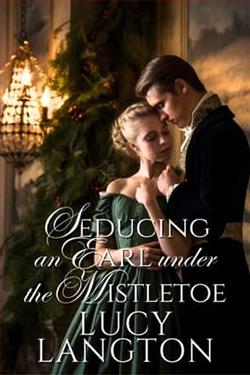
Lucy Langton's Seducing an Earl under the Mistletoe is a delightful addition to the historical romance genre, offering readers a captivating blend of passion, intrigue, and the timeless allure of a Christmas setting. The novel, set against the backdrop of Christmastide, weaves a tale that is both enchanting and emotionally resonant, inviting readers to explore the complexities of love, societal expectations, and personal freedom.
At the heart of the novel is Lady Catherine Winters, a character who embodies the spirit of independence and creativity. Catherine is not your typical Regency-era heroine; she is a romance serial writer, a profession she keeps secret due to the societal norms of her time. This aspect of her character adds a layer of depth and relatability, as she navigates the dual worlds of her public persona and her private passions. Langton skillfully crafts Catherine as a woman ahead of her time, torn between familial obligations and her desire for a life filled with love and literary success.
The introduction of Lord Arthur Rinder, or Arthur Taylor, as he is known in his countryside life, brings a compelling dynamic to the story. Arthur is initially portrayed as a man caught in the web of familial duty, with his parents arranging a marriage to Lady Margot Fisher, a woman linked to his past through his deceased brother. However, Arthur's encounter with Catherine beneath the mistletoe becomes a pivotal moment, igniting a passion that challenges his preconceived notions of duty and desire. Langton's portrayal of Arthur's internal struggle is both nuanced and engaging, as he grapples with the expectations placed upon him and his burgeoning feelings for Catherine.
The chemistry between Catherine and Arthur is palpable from their first encounter, and Langton expertly builds their relationship through a series of clandestine meetings and shared confidences. The pact they form, allowing Arthur to experience a carefree existence while serving as Catherine's muse, is a clever narrative device that not only propels the plot but also deepens their emotional connection. This arrangement, however, is fraught with tension, as both characters must confront the societal and familial pressures that threaten to tear them apart.
One of the novel's strengths lies in its exploration of themes such as personal freedom, societal constraints, and the transformative power of love. Langton deftly navigates these themes, using the Christmas setting as a metaphor for renewal and hope. The holiday season, with its emphasis on family and tradition, serves as a backdrop for Catherine and Arthur's journey towards self-discovery and mutual understanding. The novel's title, Seducing an Earl under the Mistletoe, is emblematic of this journey, suggesting both the allure of romance and the potential for personal transformation.
Langton's writing is characterized by its vivid descriptions and attention to historical detail, immersing readers in the world of Regency England. The author's ability to capture the nuances of the period, from the intricacies of social etiquette to the opulence of holiday celebrations, adds authenticity to the narrative and enhances the overall reading experience. Moreover, Langton's use of dialogue is particularly effective, capturing the wit and intelligence of her characters while advancing the plot in a natural and engaging manner.
In comparison to other works in the historical romance genre, Langton's novel stands out for its strong character development and thematic depth. While it shares similarities with the works of authors such as Julia Quinn and Tessa Dare, particularly in its focus on strong, independent heroines and the challenges of societal expectations, Seducing an Earl under the Mistletoe offers a unique perspective through its exploration of the creative process and the role of art in personal expression. Catherine's journey as a writer parallels her romantic journey, highlighting the ways in which love and creativity are intertwined.
The novel's resolution is both satisfying and heartwarming, delivering on its promise of a "happily ever after" without resorting to clichés or contrived plot twists. Langton ensures that her characters' growth is earned, and their ultimate triumph over adversity feels both genuine and deserved. The revelation of the Winters family's secret adds an element of suspense and drama, further enriching the narrative and providing a catalyst for Catherine and Arthur's final reconciliation.
Overall, Seducing an Earl under the Mistletoe is a beautifully crafted tale that will appeal to fans of historical romance and those seeking a story that balances passion with emotional depth. Langton's skillful storytelling, combined with her ability to create memorable and relatable characters, makes this novel a standout in the genre. As readers follow Catherine and Arthur's journey, they are reminded of the enduring power of love to overcome obstacles and the importance of staying true to oneself in the face of societal pressures.
In conclusion, Lucy Langton has delivered a compelling and enchanting romance that captures the magic of the holiday season and the complexities of the human heart. Seducing an Earl under the Mistletoe is a testament to the enduring appeal of historical romance and a must-read for anyone who believes in the transformative power of love.



