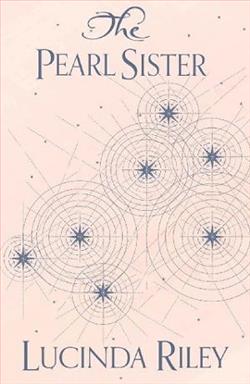
Lucinda Riley's The Pearl Sister, the fourth installment in the acclaimed Seven Sisters series, is a captivating tale that weaves together themes of identity, belonging, and self-discovery. This novel takes readers on a journey across continents and centuries, exploring the intricate tapestry of family history and personal growth. Riley's ability to craft a narrative that is both expansive and intimate is on full display, making The Pearl Sister a compelling read for both fans of the series and newcomers alike.
At the heart of the story is CeCe D’Aplièse, a character who has always felt like an outsider. Her struggle with identity is a central theme, as she grapples with the loss of her adoptive father, Pa Salt, and the emotional distance from her sister, Star. CeCe's journey is one of self-discovery, as she seeks to uncover her roots and find a place where she truly belongs. Riley skillfully portrays CeCe's vulnerability and resilience, making her a relatable and sympathetic protagonist.
The novel's dual narrative structure is a hallmark of Riley's storytelling, and in The Pearl Sister, it is executed with finesse. The parallel story of Kitty McBride, set a century earlier, adds depth and richness to the narrative. Kitty's journey from Edinburgh to Australia is a tale of adventure and transformation, mirroring CeCe's own quest for identity. The historical backdrop of the Australian pearling industry provides a fascinating context, and Riley's meticulous research is evident in the vivid descriptions of the time and place.
One of the novel's strengths is its exploration of the theme of belonging. CeCe's travels take her from the beaches of Krabi, Thailand, to the vast landscapes of Australia, where she encounters the ancient culture of the Aboriginal people. Riley's portrayal of the Aboriginal culture is respectful and insightful, highlighting the deep connection between the land and its people. This connection resonates with CeCe, reigniting her creativity and offering her a sense of home she has longed for.
The character development in The Pearl Sister is nuanced and engaging. CeCe's evolution from a lost and lonely young woman to someone who embraces her heritage and finds her place in the world is both believable and inspiring. The supporting characters, including the enigmatic Ace and the historical figures in Kitty's story, are well-drawn and add layers to the narrative. Riley's ability to create complex, multi-dimensional characters is one of the novel's standout features.
Riley's writing is both lyrical and evocative, capturing the beauty and harshness of the Australian landscape. Her descriptions of the Red Centre's searing heat and dusty plains are particularly striking, immersing readers in the setting and enhancing the story's emotional impact. The novel's pacing is well-balanced, with the dual timelines interwoven seamlessly to maintain suspense and intrigue.
In comparison to other works in the Seven Sisters series, The Pearl Sister stands out for its exploration of cultural identity and the search for belonging. While each book in the series focuses on a different sister's journey, CeCe's story is particularly poignant in its examination of what it means to find one's place in the world. Riley's ability to blend historical fiction with contemporary themes is reminiscent of authors like Kate Morton and Susanna Kearsley, who also excel in crafting multi-layered narratives that span time and place.
Overall, The Pearl Sister is a beautifully crafted novel that offers a rich and rewarding reading experience. Lucinda Riley's skillful storytelling, combined with her deep understanding of human emotions and relationships, makes this book a standout in the Seven Sisters series. Whether you're a long-time fan or a newcomer to Riley's work, The Pearl Sister is a journey worth taking, offering insights into the complexities of identity, family, and the universal quest for belonging.
For readers who enjoy stories that blend historical intrigue with personal discovery, The Pearl Sister is a must-read. Its themes of self-discovery and cultural heritage are timeless, resonating with anyone who has ever felt the pull of the past and the desire to understand their place in the world. Lucinda Riley has once again delivered a novel that is both entertaining and thought-provoking, cementing her reputation as a master storyteller.



