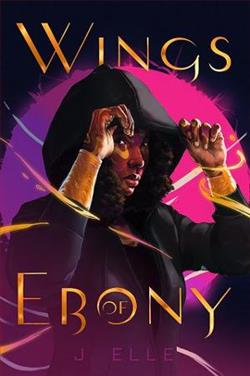
J. Elle's debut novel, Wings of Ebony, is a compelling blend of fantasy and social commentary that captures the reader's attention from the first page. The story follows Rue, a Black teenager from Houston, whose life is irrevocably altered when she discovers her divine heritage. This novel is not just a tale of magic and gods; it is a poignant exploration of identity, community, and resilience in the face of systemic oppression.
At the heart of Wings of Ebony is Rue, a character whose journey is both deeply personal and universally resonant. From the outset, Rue is portrayed as a strong-willed and resourceful young woman, shaped by the harsh realities of her environment. Her mother's tragic death sets the stage for a narrative that is as much about personal loss as it is about the broader societal issues that plague her community. Rue's character development is one of the novel's greatest strengths. As she grapples with her newfound powers and the responsibilities that come with them, readers are invited to witness her transformation from a grieving sister to a formidable force determined to protect her loved ones.
J. Elle skillfully weaves themes of identity and belonging throughout the narrative. Rue's dual heritage as half-god, half-human places her in a unique position within the magical realm of Ghizon and her home in Houston. This duality is emblematic of the struggles faced by many individuals who straddle different worlds, whether cultural, racial, or socio-economic. The author uses Rue's journey to explore the complexities of identity, highlighting the tension between embracing one's roots and navigating new environments. This theme is particularly relevant in today's world, where questions of identity and belonging are at the forefront of social discourse.
The setting of Ghizon, a hidden island of magic wielders, is richly imagined and serves as a stark contrast to Rue's gritty Houston neighborhood. Ghizon is a place where magic is both revered and feared, and its leaders are depicted as power-hungry individuals who exploit human suffering for their gain. This portrayal of Ghizon adds a layer of complexity to the narrative, as it challenges the notion of magic as an inherently benevolent force. Instead, J. Elle presents a world where magic is a tool that can be wielded for both good and evil, depending on who controls it. This nuanced depiction of magic elevates the story beyond a simple fantasy tale, inviting readers to reflect on the ethical implications of power and privilege.
One of the most striking aspects of Wings of Ebony is its social commentary. The novel does not shy away from addressing issues such as systemic racism, violence, and the exploitation of marginalized communities. Through Rue's eyes, readers are confronted with the harsh realities faced by Black youth in urban environments, where crime and violence are often the result of systemic neglect and discrimination. J. Elle's portrayal of these issues is both unflinching and empathetic, offering a powerful critique of the societal structures that perpetuate inequality. By grounding the fantasy elements in real-world issues, the author creates a narrative that is both fantastical and profoundly relevant.
In terms of narrative structure, Wings of Ebony is a fast-paced and engaging read. The plot is driven by a sense of urgency, as Rue races against time to save her sister and her community from the encroaching evil. J. Elle's writing is both evocative and accessible, making it easy for readers to become immersed in Rue's world. The novel's pacing is well-balanced, with moments of intense action interspersed with quieter, introspective scenes that allow for character development and thematic exploration.
Comparatively, Wings of Ebony shares thematic similarities with other contemporary fantasy novels that explore issues of identity and social justice. Readers who enjoyed Tomi Adeyemi's Children of Blood and Bone or N.K. Jemisin's The Fifth Season will likely find J. Elle's debut to be a compelling addition to the genre. Like these authors, J. Elle uses the fantasy genre as a vehicle for exploring complex social issues, creating a narrative that is both entertaining and thought-provoking.
Overall, Wings of Ebony is a remarkable debut that marks J. Elle as a significant new voice in the world of fantasy literature. The novel's blend of magic, social commentary, and character-driven storytelling makes it a standout read that will resonate with a wide range of readers. By centering the experiences of a Black protagonist and addressing issues of systemic oppression, J. Elle offers a fresh and necessary perspective within the fantasy genre. Wings of Ebony is a testament to the power of storytelling to illuminate the complexities of the human experience and inspire change.
In conclusion, J. Elle's Wings of Ebony is a must-read for anyone interested in fantasy that challenges the status quo and offers a nuanced exploration of identity, power, and resilience. With its richly developed characters, immersive world-building, and timely themes, this novel is sure to leave a lasting impact on its readers.



