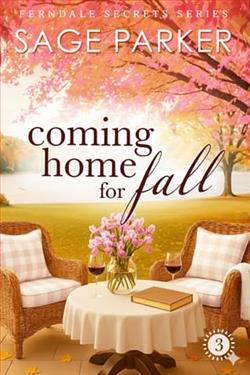
Sage Parker's Coming Home for Fall 3 is a poignant exploration of family dynamics, secrets, and the quest for belonging. As the third installment in the Ferndale Secrets series, this novel continues to delve into the complexities of familial relationships, offering readers a warm and hopeful narrative that resonates with anyone who has ever grappled with the intricacies of family life.
The story centers around Callie Ward, a 66-year-old woman who finds herself in the throes of empty nest syndrome. Her Victorian house, once bustling with the energy of her children, now echoes with silence. This sense of emptiness is palpable and sets the stage for the novel's exploration of themes such as loneliness, purpose, and the search for connection. Callie's decision to sponsor Sasha, a young mother in need, is a testament to her desire to fill the void in her life. This act of kindness is not just about charity; it's a lifeline for Callie, a way to bring warmth and vitality back into her home.
Parker masterfully crafts the character of Callie, making her both relatable and deeply sympathetic. Her journey is one of self-discovery and renewal, as she navigates the challenges of her new role as a surrogate grandmother to baby Dot. The introduction of Sasha and Dot into Callie's life is a catalyst for change, breathing new life into the narrative and offering a fresh perspective on the concept of family.
However, the arrival of Callie's youngest daughter, Mallory, introduces tension and conflict. Mallory's skepticism about Sasha's intentions adds a layer of intrigue to the story. Her character is well-developed, embodying the struggles of a young woman who is jobless and heartbroken. Mallory's presence in the house forces Callie to confront the secrets she and her husband have kept hidden for two decades. This subplot is a compelling exploration of the impact of secrets on family dynamics and the potential for healing through honesty and openness.
The novel's pacing is deliberate, allowing readers to fully immerse themselves in the emotional landscape of the characters. Parker's writing is evocative, capturing the nuances of human emotion with precision and grace. The dialogue is authentic, reflecting the complexities of familial relationships and the unspoken tensions that often lie beneath the surface.
One of the most striking aspects of Coming Home for Fall 3 is its exploration of second chances. The novel suggests that it is never too late to mend broken relationships or to find new purpose in life. This theme is particularly resonant in Callie's interactions with Sasha and Mallory, as she learns to navigate the delicate balance between offering support and respecting their autonomy.
The setting of the Victorian house is almost a character in itself, symbolizing both the history and the potential for new beginnings. Parker's descriptions of the house are vivid and atmospheric, creating a sense of place that is both comforting and evocative of the past. The house serves as a backdrop for the unfolding drama, its walls holding the secrets and memories of the Ward family.
In comparison to other family-centric novels, such as Kristin Hannah's The Nightingale or Jodi Picoult's My Sister's Keeper, Parker's work stands out for its focus on the later stages of life and the unique challenges faced by older protagonists. While Hannah and Picoult often explore the bonds between siblings or parents and children, Parker delves into the complexities of aging, empty nesting, and the search for meaning in the twilight years.
Overall, Coming Home for Fall 3 is a beautifully crafted novel that offers a heartfelt exploration of family, secrets, and the power of second chances. Sage Parker's ability to weave together the threads of past and present, love and loss, is a testament to her skill as a storyteller. This book is a must-read for anyone who appreciates stories that delve into the heart of what it means to be part of a family, with all its joys and challenges.
As readers turn the final page, they are left with a sense of hope and the comforting reminder that, no matter how tangled the threads of our lives may become, there is always the possibility of coming home.



