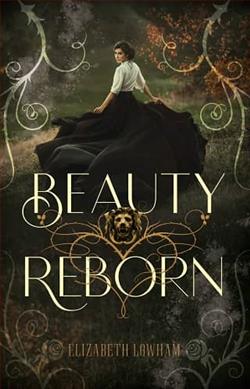
Elizabeth Lowham’s Beauty Reborn is a poignant and transformative retelling of the classic “Beauty and the Beast” tale, weaving together elements of fantasy and reality to explore themes of trauma, healing, and empowerment. This novel stands out not only for its imaginative reimagining of a beloved fairy tale but also for its sensitive handling of deeply personal and challenging subjects.
At the heart of Beauty Reborn is the character of Beauty, a young woman whose life initially seems to be the stuff of fairy tales. However, Lowham quickly subverts this expectation by introducing a darker, more complex narrative. Beauty’s encounter with Stephan, the lord baron’s heir, is a pivotal moment that sets the tone for the rest of the novel. Stephan’s charm and wit initially captivate Beauty, but his true intentions are revealed in a harrowing scene that leaves a lasting impact on her life. This event is a stark reminder of the dangers that can lurk beneath the surface of seemingly perfect fairy tale romances.
Lowham’s portrayal of Beauty’s trauma is both sensitive and realistic. The author does not shy away from depicting the emotional and psychological aftermath of Beauty’s experience, allowing readers to fully grasp the depth of her pain and the strength required to overcome it. Beauty’s decision to lock away the secret of what happened to her is a powerful commentary on the societal pressures that often silence survivors of abuse. It is this silence that ultimately drives Beauty to seek refuge in the enchanted forest, where she encounters the Beast.
The Beast, in this retelling, is not merely a monstrous figure but a complex character with his own story of suffering and redemption. Lowham skillfully uses the Beast’s curse as a metaphor for the internal struggles that both he and Beauty must confront. The enchanted forest becomes a place of transformation, where Beauty begins to unravel the layers of her trauma and discover her own path to healing. The relationship between Beauty and the Beast is one of mutual understanding and respect, a refreshing departure from the traditional narrative of a damsel in distress being saved by a prince.
One of the most compelling aspects of Beauty Reborn is its exploration of the theme of rebirth. Beauty’s journey is not just about breaking the Beast’s curse but also about finding the courage to reclaim her own identity and agency. Lowham’s writing is both lyrical and evocative, capturing the emotional nuances of Beauty’s transformation with grace and sensitivity. The novel’s title itself is a testament to the idea that true beauty lies in the ability to rise from the ashes of one’s past and emerge stronger and more resilient.
In comparison to other retellings of “Beauty and the Beast,” such as Robin McKinley’s Beauty or Sarah J. Maas’s A Court of Thorns and Roses, Lowham’s version stands out for its focus on personal empowerment and healing. While McKinley’s and Maas’s works also explore themes of love and transformation, Beauty Reborn delves deeper into the psychological aspects of its characters, offering a more introspective and emotionally resonant narrative. Lowham’s ability to balance fantasy elements with real-world issues makes this novel a unique and impactful addition to the genre.
Furthermore, Lowham’s world-building is both rich and immersive, drawing readers into a magical realm that feels both familiar and new. The enchanted forest, with its mysterious creatures and hidden secrets, serves as a backdrop for Beauty’s journey of self-discovery. The author’s attention to detail and vivid descriptions bring this world to life, making it easy for readers to lose themselves in its pages.
Overall, Beauty Reborn is a beautifully crafted novel that offers a fresh and empowering take on a classic fairy tale. Elizabeth Lowham’s skillful storytelling and nuanced character development make this a must-read for fans of fantasy and retellings. The novel’s exploration of themes such as trauma, healing, and rebirth is both timely and timeless, resonating with readers on a deeply personal level. By the end of the book, Beauty’s journey feels like a triumph not just for her, but for anyone who has ever faced their own beasts and emerged victorious.
In conclusion, Beauty Reborn is a testament to the power of storytelling to illuminate the human experience and inspire change. Elizabeth Lowham has crafted a narrative that is both enchanting and thought-provoking, leaving a lasting impact on readers long after the final page is turned. This novel is a celebration of resilience and the transformative power of love, making it a valuable addition to any reader’s bookshelf.



