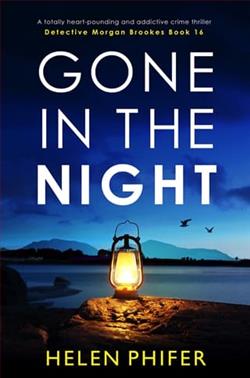
Helen Phifer's Gone in the Night is a gripping addition to the crime thriller genre, offering readers a chilling narrative set against the hauntingly beautiful backdrop of the Lake District. The novel's ability to juxtapose the serene beauty of nature with the dark undercurrents of human malice is one of its most compelling features, drawing readers into a world where danger lurks beneath the surface of everyday life.
The story follows Detective Morgan Brookes, a character who is both relatable and complex. Morgan's journey through the novel is marked by her determination and vulnerability, making her a protagonist that readers can root for. Phifer skillfully develops Morgan's character, allowing her to grow and adapt as she faces the harrowing challenges of the investigation. Her internal struggles and moments of doubt add depth to her character, making her more than just a detective on a case; she becomes a fully realized person grappling with the weight of her responsibilities.
The novel opens with a scene that sets the tone for the rest of the book: the discovery of a young girl's body in an abandoned tent. This initial shock is compounded by the revelation of the victim's identity—Sharon Montgomery, a seemingly sweet girl whose life was cut short in a brutal manner. Phifer's ability to create a sense of urgency and suspense from the very beginning is commendable, as it hooks the reader and compels them to delve deeper into the mystery.
One of the central themes of Gone in the Night is the exploration of hidden secrets and the facades people maintain. As Morgan delves into Sharon's life, she uncovers layers of deception and hidden relationships that challenge her initial perceptions. The tension between appearance and reality is a recurring motif, as characters who seem innocent and straightforward are revealed to have complex and sometimes sinister motivations. This theme is further explored through the character of Sharon's stepfather and her secretive boyfriend, Jack, both of whom become prime suspects in the investigation.
Phifer's narrative is enriched by her attention to detail, particularly in the way she describes the setting. The Lake District, with its picturesque landscapes and isolated beauty spots, becomes a character in its own right. The author uses the setting to heighten the sense of isolation and vulnerability experienced by the victims, as well as to underscore the contrast between the natural world's beauty and the darkness of human actions. This effective use of setting enhances the novel's atmosphere, making it both immersive and unsettling.
Character development is another area where Phifer excels. Morgan Brookes is not the only character who undergoes significant growth throughout the novel. The supporting cast, including Morgan's colleagues and the suspects, are given depth and complexity that make them feel real and relatable. The dynamics within the investigative team add an additional layer of intrigue, as personal relationships and professional tensions come into play. Phifer's ability to create multifaceted characters ensures that the story remains engaging and unpredictable.
The novel's pacing is well-executed, with Phifer maintaining a steady rhythm that keeps readers on the edge of their seats. The plot unfolds with a series of twists and turns that are both surprising and satisfying, leading to a climax that is both thrilling and emotionally resonant. The author skillfully balances action with introspection, allowing for moments of reflection that deepen the reader's understanding of the characters and their motivations.
In comparison to other works in the crime thriller genre, Gone in the Night stands out for its strong character development and atmospheric setting. Fans of authors like Karin Slaughter and Tana French will find much to appreciate in Phifer's work, as she combines the psychological depth of her characters with the tension and suspense of a well-crafted mystery. The novel's exploration of themes such as trust, deception, and the impact of past traumas adds a layer of complexity that elevates it beyond a simple whodunit.
Overall, Gone in the Night is a compelling and thought-provoking read that will appeal to fans of crime fiction and psychological thrillers alike. Helen Phifer has crafted a story that is both entertaining and insightful, with a protagonist who is as engaging as she is determined. The novel's ability to weave together elements of suspense, character development, and thematic depth makes it a standout addition to the genre, and a must-read for anyone seeking a thrilling and immersive experience.
In conclusion, Helen Phifer's Gone in the Night is a masterful exploration of the darkness that can lurk beneath the surface of seemingly idyllic settings. With its well-drawn characters, atmospheric setting, and intricate plot, it is a novel that will linger in the minds of readers long after the final page has been turned. Whether you're a seasoned fan of crime thrillers or new to the genre, this book is sure to captivate and intrigue, offering a chilling reminder of the complexities of human nature and the secrets we all carry.



