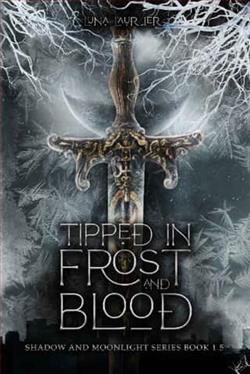
Luna Laurier's Tipped in Frost and Blood is a compelling exploration of inner turmoil, the struggle for redemption, and the quest for belonging in a world that feels both alien and familiar. The novel deftly combines elements of fantasy and psychological drama, creating a narrative that is as much about the external battles against darklings as it is about the internal battles within Cassie, the protagonist.
At the heart of the story is Cassie, a character whose journey is marked by complexity and depth. Laurier crafts Cassie with a keen understanding of the human psyche, particularly the weight of guilt and the struggle for self-forgiveness. The blurb hints at the central conflict: Cassie is haunted by the death of someone she believed she wanted to kill, yet it was not her will that led to his demise. This duality—between desire and action, intention and consequence—forms the crux of Cassie's internal conflict and is a theme that resonates throughout the novel.
The theme of identity and belonging is intricately woven into the narrative. Cassie's struggle to find her place among immortals is not just a fantasy trope but a metaphor for anyone who has ever felt out of place in their own life. Laurier uses the fantastical setting to explore real-world issues of alienation and acceptance, making Cassie's journey relatable to readers who may have never faced darklings but have certainly faced their own demons.
Laurier's world-building is both lush and immersive, painting a vivid picture of a realm on the brink of war. The impending threat of the darklings adds a layer of urgency to the narrative, driving the characters to grow and adapt. The winter setting, with its longer nights and pervasive cold, serves as a perfect backdrop for Cassie's internal struggles, symbolizing the darkness she must navigate within herself. The use of the Winter Solstice as a narrative device is particularly effective, representing a time of reflection and renewal, and offering hope that Cassie might find light in her darkest moments.
Character development is one of Laurier's strengths. Cassie's evolution from a guilt-ridden individual to someone who begins to reclaim her agency is portrayed with sensitivity and realism. Her interactions with Damien and the brothers are pivotal, providing both support and challenge. Damien, in particular, is a well-crafted character whose own struggles to protect his people and support Cassie add depth to the story. His love for Cassie is evident, yet it is not portrayed as a cure-all for her problems, which is a refreshing take on romantic subplots in fantasy literature.
The presence of a strange voice in Cassie's mind introduces an element of psychological horror, blurring the lines between reality and illusion. Laurier uses this device to explore themes of control and autonomy, as Cassie must discern her own desires from those imposed upon her. This aspect of the story is reminiscent of works by authors like Sarah J. Maas, where characters often grapple with inner voices and external pressures, though Laurier's approach is uniquely her own.
Laurier's prose is both lyrical and precise, capturing the emotional nuances of her characters while maintaining a brisk narrative pace. The dialogue is sharp and often poignant, revealing the complexities of the relationships between characters. The camaraderie among Cassie, Damien, and the brothers is particularly well-drawn, providing moments of levity and warmth amidst the darker themes.
Comparatively, Tipped in Frost and Blood shares thematic elements with Leigh Bardugo's Shadow and Bone series, particularly in its exploration of power, identity, and the struggle between light and dark. However, Laurier's focus on psychological depth and the personal journey of healing sets her work apart, offering a more introspective take on the fantasy genre.
In conclusion, Tipped in Frost and Blood is a richly layered novel that will appeal to fans of fantasy and psychological drama alike. Laurier's ability to blend fantastical elements with profound emotional truths makes for a compelling read that lingers long after the final page. The novel invites readers to reflect on their own battles with guilt and belonging, offering a narrative that is both entertaining and thought-provoking. For those seeking a story that delves into the heart of human experience while providing the escapism of fantasy, Laurier's work is a must-read.



