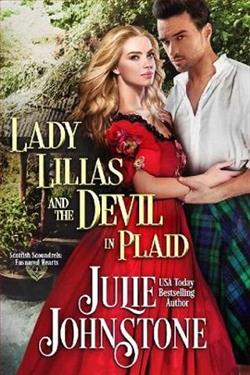
Julie Johnstone's Lady Lilias and the Devil in Plaid is a captivating historical romance that delves deep into themes of love, redemption, and the enduring power of hope. Set against the backdrop of Regency-era England, the novel weaves a tale of passion and regret, exploring the complexities of human emotions and the transformative power of love.
At the heart of the story is Lilias Honeyfield, a spirited and determined young woman who harbors a secret longing for Nash Steele, the Duke of Greybourne. From the outset, Lilias is portrayed as a character of depth and resilience. Her unwavering belief that Nash is meant to be hers, despite the passage of seven years and the societal pressures to marry another, speaks volumes about her steadfast nature. Lilias is not just a typical romantic heroine; she embodies a blend of vulnerability and strength, making her a relatable and compelling protagonist.
Nash Steele, on the other hand, is a character shrouded in mystery and guilt. His internal struggle is palpable, as he grapples with the consequences of a tragic accident that has left him in a perpetual state of penance. Johnstone masterfully crafts Nash's character, allowing readers to empathize with his torment while simultaneously rooting for his redemption. The tension between his desire for Lilias and his belief that he is unworthy of her love creates a rich emotional landscape that drives the narrative forward.
The chemistry between Lilias and Nash is electric, and Johnstone skillfully builds their relationship with a slow burn that is both tantalizing and satisfying. The moments they share are charged with emotion, and their interactions are imbued with a sense of longing and unspoken desire. As they navigate the obstacles that stand in their way, including societal expectations and personal demons, their journey becomes a testament to the healing power of love.
One of the novel's most compelling themes is the idea of redemption. Nash's journey is one of self-forgiveness and acceptance, and his character arc is a poignant exploration of how love can be a catalyst for change. Through his relationship with Lilias, Nash learns to confront his past and embrace the possibility of a future filled with hope and happiness. This theme is beautifully mirrored in Lilias's own journey, as she learns to balance her dreams with the realities of her world.
Johnstone's writing is both evocative and immersive, transporting readers to a world of opulence and intrigue. Her attention to detail in depicting the Regency era is commendable, and the lush descriptions of settings and costumes add depth to the story. The dialogue is sharp and witty, capturing the nuances of the characters' personalities and the societal norms of the time.
In comparison to other historical romances, such as those by Julia Quinn or Lisa Kleypas, Lady Lilias and the Devil in Plaid stands out for its exploration of deeper emotional themes and its focus on character development. While Quinn's novels often emphasize humor and lighthearted romance, and Kleypas's works are known for their sensuality and strong heroines, Johnstone's novel strikes a balance between passion and introspection. The emotional depth of the characters and the intricacies of their relationships make this book a standout in the genre.
Moreover, the novel's exploration of guilt and redemption adds a layer of complexity that is both refreshing and thought-provoking. The characters' struggles with their pasts and their journey toward healing are portrayed with sensitivity and nuance, making their eventual triumph all the more rewarding.
Overall, Lady Lilias and the Devil in Plaid is a beautifully crafted tale of love and redemption that will resonate with fans of historical romance. Julie Johnstone has created a story that is both timeless and timely, exploring themes that are universally relatable while transporting readers to a bygone era. The novel's blend of passion, intrigue, and emotional depth makes it a must-read for anyone who appreciates a well-told love story.
In conclusion, Johnstone's ability to weave a narrative that is both engaging and emotionally resonant is a testament to her skill as a storyteller. Lady Lilias and the Devil in Plaid is a novel that will linger in the hearts and minds of readers long after the final page is turned, a testament to the enduring power of love and the possibility of redemption.



