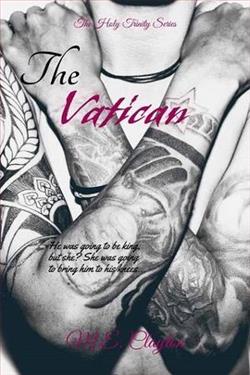
M.E. Clayton's The Vatican is a gripping exploration of power, betrayal, and the intricate dynamics of a crime family. Set against the backdrop of a world where loyalty is paramount and betrayal is the ultimate sin, the novel delves deep into the lives of its two main characters, Luca Saveria Fiore and Francisco Phoenix Benetti. The narrative is a thrilling ride through the complexities of family ties, power struggles, and the quest for control, all underpinned by a secret that threatens to unravel everything.
At the heart of the story is Luca Saveria Fiore, known as Ria, whose moniker, "The Vatican," signifies her potential to dismantle an entire crime organization. Ria is a fascinating character, embodying strength, intelligence, and a fierce independence that sets her apart from her male counterparts. Her lineage, being the daughter of The Holy Ghost and The Church, positions her uniquely within the crime family hierarchy. Clayton crafts Ria as a character who is not only powerful but also deeply human, grappling with feelings of betrayal and the weight of her family's expectations. Her journey from a position of perceived loyalty to one of ruthless determination is both compelling and terrifying, as she becomes a force that no one can control.
Francisco Phoenix Benetti, on the other hand, is the heir apparent to The Benetti Crime Family. His character is a study in contrasts; he is both brutal and intelligent, a leader who understands the nuances of power and the responsibilities that come with it. Francisco's upbringing by The Holy Trinity has instilled in him a sense of duty and a clear understanding of the stakes involved in their world. Clayton portrays Francisco as a character who is both formidable and vulnerable, particularly when faced with the secret that threatens to upend everything he knows. His internal conflict and the choices he must make add depth to his character, making him more than just a stereotypical crime family heir.
The themes of The Vatican are intricately woven into the fabric of the narrative. The concept of betrayal is central to the story, serving as the catalyst for the events that unfold. Clayton explores the idea of loyalty and the devastating impact of its absence, particularly within the context of family. The secret that comes to light acts as a mirror, reflecting the true nature of the characters and their relationships. The author skillfully uses this theme to drive the plot forward, creating tension and suspense that keeps the reader engaged.
Another significant theme is the struggle for power and control. Both Ria and Francisco are products of their environment, shaped by the expectations and demands of their respective roles within the crime family. The novel examines the lengths to which individuals will go to assert their dominance and protect their interests. Clayton's portrayal of this power struggle is nuanced, highlighting the moral ambiguities and ethical dilemmas faced by the characters. The question of whether love can survive in such a ruthless world adds an emotional layer to the narrative, making the stakes even higher.
Clayton's writing style is both engaging and evocative, capturing the intensity of the characters' emotions and the high-stakes nature of their world. The dialogue is sharp and realistic, reflecting the characters' personalities and the tension that permeates their interactions. The pacing of the novel is well-executed, with moments of introspection balanced by action-packed sequences that propel the story forward.
In terms of character development, Clayton excels in creating multidimensional characters who are both relatable and larger-than-life. Ria and Francisco are not mere caricatures of crime family members; they are complex individuals with their own motivations, fears, and desires. The supporting characters, though not as deeply explored, add richness to the narrative, providing context and depth to the main characters' journeys.
Comparatively, The Vatican shares thematic similarities with other crime family sagas, such as Mario Puzo's The Godfather and Martina Cole's The Family. However, Clayton's novel distinguishes itself through its focus on a female protagonist who is as formidable as any male character in the genre. This fresh perspective adds a unique dimension to the story, challenging traditional gender roles and offering a new take on the crime family narrative.
Overall, The Vatican is a compelling read that will appeal to fans of crime fiction and those interested in stories about power, loyalty, and betrayal. M.E. Clayton has crafted a novel that is both entertaining and thought-provoking, with characters that linger in the mind long after the final page is turned. The book's exploration of the darker aspects of human nature, set against the backdrop of a crime family, makes for a riveting and unforgettable reading experience.
In conclusion, The Vatican is a testament to M.E. Clayton's ability to weave a complex and engaging narrative that delves into the intricacies of family, power, and betrayal. The novel's strong character development, coupled with its exploration of universal themes, ensures its place as a standout in the crime fiction genre. Whether you're a seasoned reader of crime novels or new to the genre, The Vatican promises to deliver a story that is as thrilling as it is profound.



