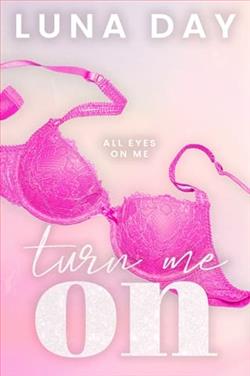
Luna Day's novella, Turn Me On, is a provocative exploration of exhibitionism, intimacy, and the complexities of past relationships. As the second book in a series of stand-alone stories, it offers a unique blend of eroticism and emotional depth that is both engaging and thought-provoking.
The story revolves around Charlie and Rider, a couple whose relationship thrives on public performances and the thrill of being watched. Charlie, the protagonist, is a character who is unapologetically confident in her desires. Her journey is one of empowerment, as she embraces her sexuality and finds fulfillment in sharing it with others. Rider, her partner, is equally compelling, characterized by his unwavering support and dedication to Charlie's happiness. Together, they form a dynamic duo that challenges societal norms and explores the boundaries of love and exhibitionism.
One of the most striking aspects of Turn Me On is its exploration of the theme of consent and mutual pleasure. Luna Day skillfully navigates the intricacies of a relationship built on trust and open communication. Charlie and Rider's interactions are a testament to the importance of understanding and respecting each other's boundaries, a theme that resonates deeply in today's discourse on healthy relationships. Their performances are not just about the act of being watched but are a celebration of their connection and shared desires.
The novella also delves into the impact of past relationships on present dynamics. The unexpected appearance of a figure from Charlie's past introduces tension and conflict, serving as a catalyst for character development. This subplot adds depth to the narrative, as it forces Charlie and Rider to confront unresolved issues and reaffirm their commitment to each other. The way they handle this challenge is a testament to their growth as individuals and as a couple.
Luna Day's writing is both evocative and immersive, drawing readers into the world of Charlie and Rider with vivid descriptions and a keen attention to detail. The scenes are crafted with a balance of sensuality and emotional resonance, ensuring that the story remains engaging without veering into gratuitous territory. The author's ability to convey the intensity of the characters' experiences is a testament to her skill as a storyteller.
In comparison to other works in the genre, Turn Me On stands out for its focus on character development and emotional depth. While many erotic novellas prioritize physical encounters, Luna Day ensures that her characters are fully realized individuals with complex motivations and desires. This approach not only enhances the narrative but also allows readers to connect with Charlie and Rider on a deeper level.
Moreover, the novella's structure as a stand-alone story within a series offers flexibility to readers. Those new to Luna Day's work can easily dive into Turn Me On without feeling lost, while returning readers will appreciate the continuity and thematic exploration across the series. This accessibility is a significant strength, broadening the novella's appeal to a wider audience.
However, it is important to note that Turn Me On is not for everyone. The explicit content and themes of exhibitionism may not resonate with all readers. Luna Day is transparent about this in her author's note, advising potential readers to review content details before diving into the story. This consideration for reader comfort is commendable and reflects the author's respect for her audience.
In conclusion, Turn Me On is a captivating novella that offers a fresh perspective on eroticism and relationships. Luna Day's ability to weave together themes of empowerment, consent, and emotional growth sets this work apart from others in the genre. For readers seeking a story that combines sensuality with substance, Turn Me On is a compelling choice that promises to leave a lasting impression.



