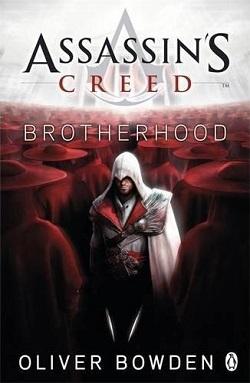
Oliver Bowden's Assassin's Creed: Brotherhood is a gripping continuation of the saga of Ezio Auditore da Firenze, a character who has become emblematic of the Assassin's Creed franchise. Set against the backdrop of a decaying Rome, the novel immerses readers in a world rife with political intrigue, betrayal, and the relentless pursuit of freedom. Bowden's narrative not only expands upon the themes established in the previous installment, Assassin's Creed II, but also deepens the exploration of the Assassin's Brotherhood and the moral complexities that define their struggle against tyranny.
At the heart of the story is Ezio, now a seasoned Master Assassin, who finds himself facing the formidable Cesare Borgia. The Borgia family, with its insatiable thirst for power, represents the corruption that has seeped into the very fabric of Rome. Bowden paints a vivid picture of a city in decline, where the once-great civilization is overshadowed by the oppressive rule of the Borgia dynasty. This setting serves as a powerful metaphor for the struggle between freedom and oppression, a theme that resonates throughout the narrative.
One of the most compelling aspects of Brotherhood is its character development. Ezio is not merely a skilled assassin; he is a man burdened by the weight of his responsibilities and the losses he has endured. Bowden skillfully portrays Ezio's evolution from a young, impulsive man into a leader who must unite the fragmented Brotherhood against a common enemy. This transformation is marked by moments of introspection and doubt, making Ezio a relatable and multi-dimensional character. His relationships with other key figures, such as Leonardo da Vinci and the members of the Brotherhood, add depth to his journey, highlighting the importance of camaraderie and loyalty in the face of adversity.
The theme of brotherhood is central to the narrative, as the title suggests. Ezio's quest to restore Rome is not a solitary endeavor; he must rally allies and forge connections with those who share his vision of a free Italy. Bowden emphasizes the idea that true strength lies in unity, as Ezio recruits and trains new assassins to join the fight against the Borgia tyranny. This aspect of the story reflects the historical context of the Renaissance, where alliances and rivalries shaped the political landscape. The author deftly weaves historical figures and events into the narrative, grounding the fantastical elements of the story in a rich tapestry of real-world history.
Moreover, the novel delves into the darker aspects of power and ambition. Cesare Borgia is portrayed as a complex antagonist, embodying both charisma and ruthlessness. His ambition knows no bounds, and his willingness to betray even those closest to him makes him a formidable foe for Ezio. Bowden's portrayal of Borgia serves as a cautionary tale about the corrupting influence of power, echoing themes found in classic literature such as Shakespeare's Macbeth or Machiavelli's The Prince. The moral ambiguity of the characters adds layers to the story, prompting readers to question the nature of good and evil in a world where the lines are often blurred.
Bowden's writing style is engaging and accessible, making the novel a page-turner. His vivid descriptions bring the sights and sounds of Renaissance Rome to life, allowing readers to immerse themselves in the setting. The action sequences are well-crafted, balancing tension and excitement with moments of reflection. Bowden's ability to convey the emotional stakes of the characters enhances the overall impact of the story, making it more than just a tale of action and adventure.
In comparison to other works within the genre, Assassin's Creed: Brotherhood stands out for its rich character development and historical depth. While many action-adventure novels focus solely on plot-driven narratives, Bowden's work emphasizes the importance of character relationships and moral dilemmas. This approach invites readers to engage with the story on a deeper level, fostering a connection with the characters and their struggles.
Furthermore, the novel's exploration of themes such as loyalty, betrayal, and the quest for justice resonates with contemporary issues, making it relevant to modern readers. The fight against oppression and the desire for freedom are universal themes that transcend time and place, allowing the story to maintain its impact even years after its initial publication.
In conclusion, Oliver Bowden's Assassin's Creed: Brotherhood is a masterful continuation of Ezio Auditore's journey, blending historical fiction with rich character development and thought-provoking themes. The novel not only entertains but also invites readers to reflect on the complexities of power, loyalty, and the human spirit's resilience in the face of tyranny. For fans of the Assassin's Creed franchise and newcomers alike, this book offers a captivating experience that is sure to leave a lasting impression.



