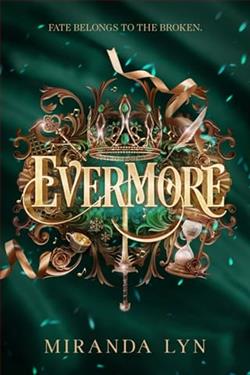
Miranda Lyn's Evermore is a captivating exploration of love, betrayal, and the intricate dance of fate. This novel, part of a larger series, delves deep into the complexities of human emotions and the consequences of choices made in the heat of passion and desperation. Lyn weaves a tale that is both fantastical and deeply human, drawing readers into a world where gods and mortals collide in a battle for power and redemption.
At the heart of Evermore is Paesha Vox, a protagonist whose journey is as tumultuous as it is compelling. Lyn crafts Paesha with a deft hand, allowing her to be both strong and vulnerable, a woman who has found love and family only to have it all threatened by the revelation of a single truth. The unraveling of Paesha's world is a poignant reminder of how fragile happiness can be, especially when built on a foundation of lies. Her character development is a testament to Lyn's ability to create multi-dimensional characters who resonate with readers on a profound level.
Thorne Noctus, Paesha's love interest, is equally complex. His deception and the subsequent fallout serve as a catalyst for much of the novel's tension. Lyn does not shy away from exploring the darker aspects of Thorne's character, making him a figure of both sympathy and frustration. His desperation to return to Paesha and rectify his wrongs adds a layer of urgency to the narrative, propelling the story forward with a relentless momentum.
The theme of fate is intricately woven throughout the novel. Lyn challenges the notion of destiny, presenting it as both a guiding force and a manipulative entity. The idea that "fate belongs to the broken" is a recurring motif, suggesting that those who have suffered and endured are the ones most attuned to the whims of destiny. This theme is further explored through the character of Thorne, whose actions are driven by a desire to alter the course of fate, even if it means confronting the Fates themselves.
Lyn's world-building is another standout aspect of Evermore. The shattered veil between cities and the introduction of godly beings add layers of intrigue and complexity to the narrative. The gods in Lyn's universe are not omnipotent overseers but entities with their own fears and agendas. This portrayal of deities as fallible beings adds depth to the story, challenging traditional notions of divinity and power.
The novel's pacing is expertly handled, with Lyn balancing moments of intense action with quieter, introspective scenes. This rhythm allows readers to fully immerse themselves in the world Lyn has created, experiencing the highs and lows alongside the characters. The stakes are continually raised, keeping readers on the edge of their seats as they navigate the twists and turns of the plot.
In terms of style, Lyn's prose is both lyrical and precise. Her descriptive language paints vivid pictures of the novel's settings, from the war-torn landscapes to the ethereal domains of the gods. This attention to detail enhances the immersive quality of the book, drawing readers deeper into the story with each page.
Comparatively, Evermore shares thematic similarities with works like Sarah J. Maas's A Court of Thorns and Roses series and Leigh Bardugo's Grishaverse. Like Maas and Bardugo, Lyn excels at blending romance, fantasy, and adventure, creating a narrative that appeals to fans of the genre. However, Lyn's unique take on fate and her nuanced character development set Evermore apart, offering a fresh perspective within the fantasy landscape.
Overall, Evermore is a testament to Miranda Lyn's skill as a storyteller. It is a novel that challenges readers to consider the nature of fate, the power of love, and the cost of deception. Through its richly drawn characters and intricate plot, Evermore leaves a lasting impact, inviting readers to ponder the delicate balance between destiny and free will. For those seeking a fantasy novel that is both thought-provoking and emotionally resonant, Evermore is a must-read.



