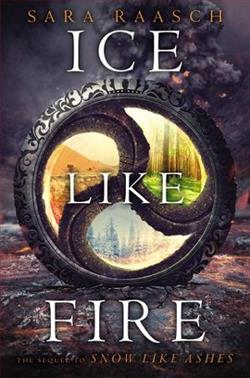
Sara Raasch's Ice Like Fire, the second installment in the Snow Like Ashes trilogy, continues to weave a rich tapestry of magic, political intrigue, and personal growth. Picking up three months after the liberation of the Winterians, the novel delves into the complexities of rebuilding a kingdom while navigating the treacherous waters of international politics and ancient magic.
At the heart of the story is Meira, a character who has grown significantly since the first book. Her evolution from a warrior with a singular focus on freeing her people to a leader grappling with the nuances of diplomacy and the burdens of leadership is both compelling and relatable. Meira's internal conflict is palpable as she struggles to balance her desire for her people's safety with the broader implications of the newly discovered chasm of magic. This chasm, a remnant of Primoria's past, serves as a powerful symbol of both potential and peril, echoing the real-world tension between technological advancement and ethical responsibility.
The introduction of the chasm of magic adds a new layer of complexity to the narrative. While Theron views it as a means to empower the world against threats like Angra, Meira's apprehension about its potential to spawn another Decay highlights the novel's exploration of the dual nature of power. This theme is further underscored by the political dynamics between Winter and Cordell, as well as the broader geopolitical landscape of Primoria. Raasch skillfully uses these elements to examine the consequences of power imbalances and the moral dilemmas faced by those in positions of authority.
Theron, who was once a steadfast ally, emerges as a more nuanced character in this sequel. His idealistic vision of a world united by magic contrasts sharply with Meira's cautious pragmatism, creating a tension that drives much of the plot. This ideological clash is emblematic of the broader theme of conflicting loyalties and the difficulty of reconciling personal beliefs with political realities. Raasch's portrayal of Theron's internal struggle adds depth to his character, making him more than just a foil to Meira's ambitions.
Meanwhile, Mather's storyline offers a poignant exploration of identity and autonomy. As he grapples with the aftermath of Winter's liberation and Cordell's encroaching influence, Mather's journey is one of self-discovery and empowerment. His determination to protect his people and assert his independence from external control resonates with the novel's overarching theme of freedom. Raasch effectively uses Mather's perspective to highlight the resilience of the human spirit in the face of adversity.
The novel's pacing is deliberate, allowing for a gradual build-up of tension and intrigue. Raasch's world-building is meticulous, with each kingdom in Primoria possessing its own distinct culture and political landscape. This attention to detail enriches the narrative, providing a vivid backdrop against which the characters' struggles unfold. The author's prose is both lyrical and evocative, capturing the beauty and danger of a world teetering on the brink of transformation.
One of the strengths of Ice Like Fire is its ability to balance action with introspection. The novel's action sequences are well-executed, providing moments of excitement and suspense. However, it is in the quieter moments of reflection and dialogue that the story truly shines. Raasch's exploration of themes such as sacrifice, loyalty, and the cost of leadership adds emotional depth to the narrative, elevating it beyond a simple fantasy adventure.
In comparison to other works in the fantasy genre, Ice Like Fire stands out for its emphasis on character development and thematic complexity. Fans of Leigh Bardugo's Grisha Trilogy or Kristin Cashore's Graceling series will find much to appreciate in Raasch's nuanced portrayal of a world where magic and politics are inextricably linked. Like these authors, Raasch excels at creating morally complex characters who must navigate a world where the lines between good and evil are often blurred.
Overall, Ice Like Fire is a worthy successor to Snow Like Ashes, expanding the scope of the series while maintaining its focus on character-driven storytelling. Raasch's ability to weave intricate plots with emotional resonance makes this novel a compelling read for both young adult and adult audiences. As Meira, Theron, and Mather confront the challenges of their world, readers are invited to reflect on the nature of power, the importance of choice, and the enduring quest for freedom.
In conclusion, Ice Like Fire is a captivating exploration of a world on the cusp of change, where the past and future collide in a struggle for control and understanding. Sara Raasch has crafted a tale that is both entertaining and thought-provoking, leaving readers eager to discover what lies ahead in the final installment of the trilogy.



