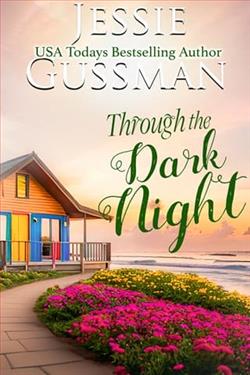
Jessie Gussman's Through the Dark Night is a poignant exploration of love, loss, and redemption, set against the evocative backdrop of Raspberry Ridge. This novel is a testament to the enduring power of the past and the courage it takes to confront it. With a narrative that seamlessly weaves together themes of forgiveness, healing, and the complexities of human relationships, Gussman delivers a story that resonates deeply with readers.
At the heart of the novel is Shannon, a character whose journey is both compelling and relatable. More than a decade ago, Shannon fled her hometown, leaving behind a tragedy that has haunted her ever since. Her return to Raspberry Ridge is not just a physical journey but an emotional one, as she grapples with the ghosts of her past. Gussman skillfully portrays Shannon's internal struggle, capturing the nuances of her guilt, regret, and the longing for redemption. This character development is one of the novel's strongest aspects, as readers are drawn into Shannon's world and invested in her journey towards healing.
The setting of Raspberry Ridge is beautifully rendered, with Gussman's descriptive prose bringing the seaside village to life. The idyllic yet haunting atmosphere serves as a fitting backdrop for Shannon's story, reflecting the duality of her memories—both sweet and devastating. The rundown inn that Shannon impulsively buys becomes a symbol of her desire to rebuild her life, and the renovations she undertakes mirror her internal transformation. This metaphor is woven throughout the narrative, adding depth to the story and highlighting the theme of renewal.
One of the most compelling aspects of Through the Dark Night is the rekindling of Shannon's relationship with Lance, her first love. Their reunion is fraught with tension and unresolved emotions, as both characters carry the weight of their shared past. Gussman deftly explores the complexities of their relationship, capturing the push and pull of old wounds and new beginnings. The chemistry between Shannon and Lance is palpable, and their interactions are filled with a raw honesty that makes their journey towards reconciliation both believable and moving.
The novel's exploration of forgiveness is particularly powerful. Shannon's struggle to forgive herself for the mistakes of her past is a central theme, and Gussman handles it with sensitivity and insight. The narrative delves into the idea that forgiveness is not just about letting go of the past but also about embracing the possibility of a future. This theme is universal and will resonate with anyone who has ever grappled with the burden of guilt and the desire for redemption.
Gussman's writing is both lyrical and evocative, with a keen attention to detail that brings the story to life. Her ability to capture the intricacies of human emotion is evident throughout the novel, making the characters' experiences feel authentic and relatable. The dialogue is natural and engaging, further enhancing the realism of the story.
In comparison to other works in the genre, Through the Dark Night stands out for its depth of character and emotional resonance. While it shares similarities with novels like Kristin Hannah's The Nightingale and Jojo Moyes' Me Before You, Gussman's story is unique in its focus on the themes of homecoming and the courage it takes to face one's past. The novel's exploration of these themes is both thought-provoking and inspiring, making it a standout addition to the genre.
Overall, Through the Dark Night is a beautifully crafted novel that will leave a lasting impact on its readers. Jessie Gussman has created a story that is both heart-wrenching and hopeful, a testament to the resilience of the human spirit. For those seeking a story of love, loss, and the power of forgiveness, this novel is a must-read. It is a reminder that even in the darkest of nights, there is always the possibility of a new dawn.



