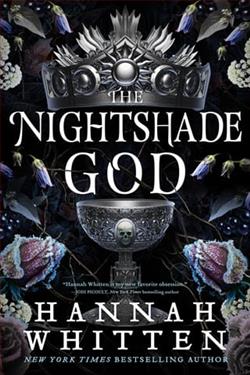
Hannah Whitten's The Nightshade God is a gripping conclusion to her New York Times bestselling fantasy series, a tale that weaves together themes of power, redemption, and the eternal struggle between light and darkness. This final installment is a testament to Whitten's ability to craft a world that is as lush and romantic as it is perilous and unpredictable.
At the heart of The Nightshade God is Lore, a protagonist whose journey has been marked by failure and resilience. The narrative opens with Lore grappling with the consequences of her inability to save King Bastian, her allies, and the city of Dellaire from the clutches of a malevolent god. This sense of failure is palpable, setting a somber tone that permeates the novel. Yet, it is precisely this failure that makes Lore's character arc so compelling. Her banishment to the Burnt Isles serves as both a physical and metaphorical exile, forcing her to confront her limitations and find strength in her vulnerabilities.
Whitten's portrayal of Lore is nuanced and multifaceted. She is a character who has always had to fight for survival, and this tenacity is both her greatest asset and her potential downfall. As Lore's magic grows stronger, Whitten explores the seductive nature of power and the moral dilemmas it presents. This theme is reminiscent of other fantasy epics, such as J.R.R. Tolkien's The Lord of the Rings, where the allure of power is a central conflict. However, Whitten adds her unique twist by intertwining this theme with a deeply personal narrative of self-discovery and redemption.
The supporting characters in The Nightshade God are equally well-developed, each contributing to the rich tapestry of the story. The surprise ally that joins Lore on the Burnt Isles adds an intriguing dynamic, challenging her perceptions and pushing her towards growth. Whitten excels at creating complex relationships that evolve naturally, adding depth to the narrative and keeping readers invested in the characters' fates.
One of the standout elements of Whitten's writing is her world-building. The Burnt Isles, with its harsh landscapes and hidden secrets, is vividly rendered, serving as both a setting and a character in its own right. The island's mysteries are gradually unveiled, mirroring Lore's journey towards understanding and empowerment. Whitten's prose is lush and evocative, painting a picture of a world that is as beautiful as it is dangerous.
Thematically, The Nightshade God delves into the concept of brokenness and the quest for wholeness. The scattered pieces of the broken Fount symbolize the fragmented nature of the world and its inhabitants. Lore's mission to collect these pieces and restore balance is a metaphor for her own journey towards self-acceptance and healing. This theme resonates with readers, offering a poignant reminder of the resilience of the human spirit.
In terms of pacing, Whitten strikes a delicate balance between action and introspection. The narrative is driven by a sense of urgency, as Lore races against time to prevent the gods from corrupting the land. Yet, Whitten also allows for moments of quiet reflection, giving readers the opportunity to delve deeper into the characters' inner worlds. This balance ensures that the story remains engaging without sacrificing emotional depth.
Comparatively, The Nightshade God shares thematic similarities with other fantasy works that explore the interplay of power and morality, such as Leigh Bardugo's Shadow and Bone series. However, Whitten distinguishes herself through her focus on the personal stakes of her characters and the intimate nature of their struggles. Her ability to blend epic fantasy with deeply personal storytelling is a hallmark of her writing, setting her apart in a crowded genre.
Overall, The Nightshade God is a fitting conclusion to Hannah Whitten's series, offering a satisfying resolution to the complex narrative threads woven throughout the previous books. It is a story that lingers in the mind long after the final page is turned, a testament to Whitten's skill as a storyteller. Fans of the series will find much to savor in this final installment, while newcomers will be drawn in by the richly imagined world and compelling characters.
In conclusion, The Nightshade God is a masterful blend of fantasy, romance, and introspection, a tale that explores the depths of human emotion and the enduring power of hope. Hannah Whitten has crafted a narrative that is both epic in scope and intimate in its exploration of the human condition, making it a must-read for fans of the genre.



