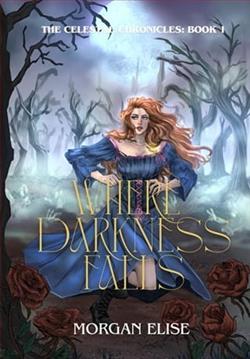
Morgan Elise's Where Darkness Falls is a captivating blend of fantasy and gothic elements, weaving a tale that is as enchanting as it is haunting. At its core, the novel explores themes of identity, memory, and the eternal struggle between light and darkness. Elise crafts a narrative that is both richly detailed and emotionally resonant, drawing readers into a world where the past is as elusive as the future is uncertain.
The story begins with a compelling mystery: Maeva, a young woman with no recollection of her past, is found wandering the streets of Aurelius, drenched in blood. This intriguing premise sets the stage for a narrative that is as much about self-discovery as it is about adventure. The golden pendant Maeva wears is not just a clue to her origins but a symbol of the mysteries that shroud her existence. As the story unfolds, Maeva's journey becomes a quest for identity, a theme that resonates deeply with readers who have ever questioned their place in the world.
Elise's character development is one of the novel's strongest points. Maeva is a well-rounded protagonist whose growth is both believable and inspiring. Her transformation from a lost girl into a determined woman is portrayed with nuance and depth. The author skillfully navigates Maeva's internal conflicts, allowing readers to empathize with her struggles and triumphs. Maeva's relationship with High General Emyr adds another layer of complexity to the narrative. Emyr, with his dark reputation and enigmatic persona, serves as both a foil and a complement to Maeva. Their dynamic is charged with tension and mutual respect, evolving from reluctant allies to something more profound.
The world-building in Where Darkness Falls is immersive and meticulously crafted. Elise paints a vivid picture of Celestae, a realm where magic and danger coexist. The Palace of Nightmares, with its ominous name and foreboding atmosphere, serves as a fitting backdrop for the unfolding drama. The quest for the Crógemma, an ancient artifact, is not just a plot device but a metaphor for the characters' inner journeys. The perilous quest forces Maeva and Emyr to confront their fears and desires, ultimately leading them to question what they truly value.
Thematically, the novel delves into the dichotomy of light and darkness, both in the external world and within the characters themselves. Elise explores the idea that darkness cannot be entirely vanquished but must be understood and integrated. This theme is particularly relevant in today's world, where the line between good and evil is often blurred. Maeva and Emyr's choices reflect the broader struggle to find balance and harmony in a world fraught with chaos.
Elise's writing style is both lyrical and evocative, capturing the gothic essence of the story while maintaining a sense of whimsy. Her prose is rich with imagery, bringing the world of Celestae to life in vivid detail. The pacing of the novel is well-balanced, with moments of introspection interspersed with action and suspense. Elise's ability to maintain tension and intrigue throughout the narrative is commendable, keeping readers engaged from start to finish.
In comparison to other works in the fantasy genre, Where Darkness Falls stands out for its unique blend of gothic and whimsical elements. Fans of authors like Neil Gaiman and Erin Morgenstern will find much to appreciate in Elise's storytelling. Like Gaiman's Neverwhere or Morgenstern's The Night Circus, Elise's novel offers a world that is both familiar and fantastical, inviting readers to explore its depths and discover its secrets.
Overall, Where Darkness Falls is a compelling and thought-provoking read that will appeal to fans of fantasy and gothic literature alike. Morgan Elise has crafted a story that is both timeless and timely, exploring universal themes through the lens of a richly imagined world. Maeva's journey is one of courage and self-discovery, reminding readers of the power of light to illuminate even the darkest corners of the soul. As Maeva and Emyr face their respective challenges, they offer a poignant reminder that the choices we make define who we are and who we can become.
In conclusion, Where Darkness Falls is a testament to Morgan Elise's skill as a storyteller. Her ability to weave complex characters, intricate plots, and profound themes into a cohesive narrative is truly remarkable. This novel is not just a story but an experience, inviting readers to lose themselves in its pages and emerge with a deeper understanding of themselves and the world around them. For those seeking a tale that is both enchanting and enlightening, Where Darkness Falls is a must-read.



