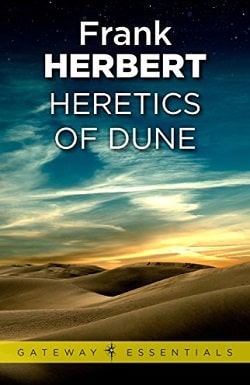
Heretics of Dune, the fifth installment in Frank Herbert's monumental Dune series, is a complex tapestry woven with themes of power, religion, and the cyclical nature of history. Set fifteen hundred years after the death of Leto Atreides, the God Emperor, the novel plunges readers into a universe that has drastically changed, yet remains hauntingly familiar. The Empire has crumbled, and the planet Arrakis, now known as Rakis, has reverted to its original desert state, with its iconic sandworms facing extinction. This backdrop serves as a fertile ground for Herbert to explore the consequences of power vacuums and the rise of new ideologies. One of the most striking aspects of Heretics of Dune is its exploration of the theme of **religious fervor and fanaticism**. The character of Sheeana, a young girl who possesses the abilities of the Fremen sandriders, emerges as a pivotal figure in this new world. Her rise to prominence is not merely a personal journey but a reflection of the broader societal need for a messianic figure in the face of chaos. Sheeana's character embodies the duality of power—she is both a savior and a potential tyrant, illustrating how easily the line can blur between devotion and fanaticism. Herbert masterfully captures this tension, prompting readers to reflect on the nature of belief and the ways in which it can be manipulated for personal gain. The **character development** in this novel is particularly noteworthy. Herbert introduces a diverse cast, including the Bene Gesserit, who are grappling with their own diminishing influence in a galaxy that has largely forgotten the teachings of the past. The Bene Gesserit’s attempts to reclaim power through genetic manipulation and political maneuvering highlight the ongoing struggle for control in a fragmented universe. Characters like Miles Teg, a military leader with extraordinary abilities, and the enigmatic Duncan Idaho, who has been resurrected in various forms throughout the series, add layers of complexity to the narrative. Their interactions with Sheeana and each other create a rich tapestry of alliances and betrayals, showcasing Herbert's skill in crafting multifaceted characters who are as flawed as they are compelling. The novel also delves into the **cyclical nature of history**. The Great Scattering, where millions fled the crumbling Empire, serves as a reminder of the impermanence of power and civilization. As the Lost Ones return to Rakis, they bring with them new ideologies and conflicts, echoing the historical patterns of rise and fall that have characterized human societies. Herbert's portrayal of this cyclical process invites readers to consider the lessons of the past and the inevitability of change. The return of the Lost Ones is not just a physical journey but a metaphorical one, representing the resurgence of old conflicts and the potential for new beginnings. In terms of **world-building**, Herbert continues to expand the Dune universe with intricate details that enrich the narrative. The transformation of Arrakis into Rakis, the dying sandworms, and the remnants of the once-great Empire all contribute to a sense of loss and nostalgia. The environmental themes that permeate the series remain relevant, as Herbert explores the consequences of ecological neglect and the fragility of ecosystems. This aspect of the novel resonates deeply in today's context, where discussions about climate change and sustainability are more pressing than ever. Comparatively, Heretics of Dune can be likened to other epic science fiction works that grapple with similar themes of power and belief. For instance, Isaac Asimov's Foundation series also explores the rise and fall of civilizations, though with a more deterministic approach. In contrast, Herbert's narrative is steeped in the unpredictability of human nature and the complexities of free will. Similarly, the exploration of religious themes can be seen in works like Arthur C. Clarke's Childhood's End, where the intersection of faith and alien intervention raises profound questions about humanity's future. The **overall impact** of Heretics of Dune is profound. Herbert's ability to weave intricate plots with deep philosophical inquiries makes this novel not just a continuation of a beloved series but a standalone work that challenges readers to think critically about the world around them. The characters' struggles and triumphs resonate on a personal level, inviting readers to reflect on their own beliefs and the systems of power that govern their lives. In conclusion, Heretics of Dune is a masterful exploration of the complexities of power, belief, and the cyclical nature of history. Frank Herbert's rich character development, intricate world-building, and thought-provoking themes make this novel a compelling read for both fans of the series and newcomers alike. It stands as a testament to Herbert's genius and his ability to craft narratives that are as relevant today as they were when first published. For those seeking a profound and engaging literary experience, Heretics of Dune is an essential addition to their reading list.



