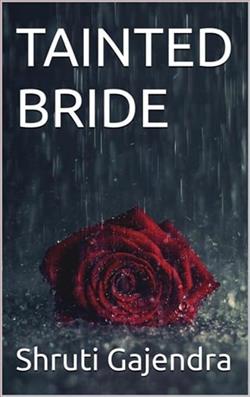
Shruti Gajendra's Tainted Bride is a captivating exploration of love, innocence, and the complexities of human relationships. The novel opens with a scene that is both tender and evocative, setting the stage for a story that promises to delve into the nuances of human emotions and societal expectations. The blurb provides a glimpse into a moment of pure joy and innocence, where the sound of anklets and the laughter of a child create a vivid tapestry of life and love.
At its core, Tainted Bride is a story about the juxtaposition of innocence and the harsh realities of life. The playful interaction between the two characters, presumably a mother and her child, is beautifully captured. The imagery of anklets chiming and the blindfolded game of hide and seek is not just a literal play but a metaphorical representation of the search for happiness and fulfillment amidst life's challenges. The author skillfully uses this scene to draw readers into a world where simple joys are cherished, yet overshadowed by an underlying tension.
The character development in Tainted Bride is one of its strongest elements. The protagonist, whose beauty and grace are highlighted even when blindfolded, is a compelling figure. Her interactions with the child reveal a depth of love and tenderness that is palpable. However, the presence of a watchful figure, observing from a distance, introduces an element of foreboding. This character, with his sharp eyes and calculating demeanor, adds a layer of complexity to the narrative, suggesting themes of surveillance, judgment, and perhaps control.
Gajendra's writing is both lyrical and precise, capturing the essence of each moment with clarity and emotion. The dialogue between the characters is natural and engaging, drawing readers into their world. The use of sensory details, such as the sound of anklets and the taste of coffee, enriches the narrative, making it a multi-sensory experience. The author's ability to convey the protagonist's internal conflict through subtle cues, such as the gradual disappearance of her smile, is particularly noteworthy.
Themes of societal expectations and personal freedom are woven throughout the novel. The title, Tainted Bride, suggests a story that will explore the constraints placed on women, particularly in the context of marriage and societal roles. The protagonist's interaction with the child, juxtaposed with the watchful gaze of the man, hints at a narrative that will challenge traditional notions of femininity and autonomy. The novel promises to be a thought-provoking exploration of the ways in which women navigate the expectations placed upon them, and the sacrifices they make in the pursuit of happiness.
In comparison to other works in the genre, Tainted Bride stands out for its nuanced portrayal of complex emotions and relationships. The novel shares thematic similarities with works like Jane Austen's Pride and Prejudice, where societal expectations and personal desires are in constant conflict. However, Gajendra's modern take on these themes, combined with her unique narrative style, offers a fresh perspective that is both engaging and enlightening.
Overall, Tainted Bride is a beautifully crafted novel that will resonate with readers who appreciate stories of love, resilience, and self-discovery. Shruti Gajendra has created a world that is both familiar and intriguing, inviting readers to reflect on their own experiences and the societal norms that shape them. The novel's blend of lyrical prose, rich character development, and thought-provoking themes make it a compelling read that is sure to leave a lasting impact.
For those interested in exploring the intricacies of human relationships and the quest for personal freedom, Tainted Bride is a must-read. It is a testament to the power of storytelling and the enduring appeal of narratives that challenge us to see the world through a different lens.



