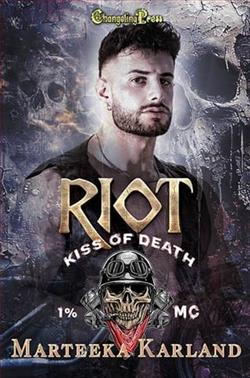
Marteeka Karland's Riot is a gripping narrative that delves into the harrowing realities of domestic abuse while weaving a tale of resilience, redemption, and the transformative power of love. This fourth installment in the Kiss of Death MC series is a raw and emotional journey that captivates readers with its intense storyline and well-crafted characters.
The story centers around Violet Harrington, a woman trapped in a life dictated by familial obligations and societal expectations. Her marriage, orchestrated by her family to forge alliances, quickly devolves into a nightmare. Violet's existence is a constant battle for survival, as she endures abuse and lives in perpetual fear for her and her son's safety. The character of Violet is meticulously developed, embodying the struggles of many women who find themselves in similar situations. Her haunted demeanor and protective instincts towards her son evoke empathy and a deep connection with the reader.
Enter Quinn Devereaux, known as Riot, a man with a past as tumultuous as Violet's present. Tasked with protecting Violet and her son, Riot is immediately drawn to the fragile yet resilient woman. His character is a complex blend of strength and vulnerability, shaped by his own experiences with domestic abuse. Riot's protective nature and determination to prevent history from repeating itself add layers to his character, making him a compelling and relatable protagonist.
Karland's portrayal of domestic abuse is both unflinching and sensitive. She does not shy away from depicting the harsh realities faced by victims, yet she handles the subject matter with care, ensuring that the narrative remains respectful and impactful. The book's warning about potential triggers is a testament to the author's awareness and consideration for her audience.
The relationship between Violet and Riot is the heart of the story. Their connection is built on mutual respect and understanding, evolving naturally as they navigate the challenges posed by Violet's circumstances. Riot's question to Violet, "What do you need?" is a pivotal moment in the narrative, symbolizing a shift from a life dictated by others to one where Violet's desires and needs take precedence. This theme of empowerment is a recurring motif throughout the book, highlighting the importance of agency and self-determination.
Karland's writing style is engaging and evocative, drawing readers into the world she has created. Her ability to balance tension and tenderness is evident in the way she crafts scenes that are both heart-wrenching and hopeful. The pacing of the story is well-executed, maintaining a steady momentum that keeps readers invested in the outcome.
In comparison to other works in the genre, Riot stands out for its authentic portrayal of complex emotions and relationships. While many romance novels explore themes of love and redemption, Karland's focus on the intricacies of domestic abuse and the journey towards healing sets this book apart. The narrative is reminiscent of Kristen Ashley's Dream Man series, where strong, protective male leads and resilient female protagonists navigate challenging circumstances. However, Karland's emphasis on the psychological and emotional aspects of abuse adds a unique depth to the story.
Overall, Riot is a powerful and thought-provoking read that leaves a lasting impact. It is a testament to the strength of the human spirit and the healing power of love and support. Marteeka Karland has crafted a narrative that is both a cautionary tale and a beacon of hope, offering readers a glimpse into the lives of those who fight for their freedom and happiness against all odds.
For those interested in exploring themes of resilience, empowerment, and the complexities of human relationships, Riot is a must-read. It is a story that resonates long after the final page is turned, reminding us of the importance of compassion, understanding, and the courage to break free from the chains that bind us.



