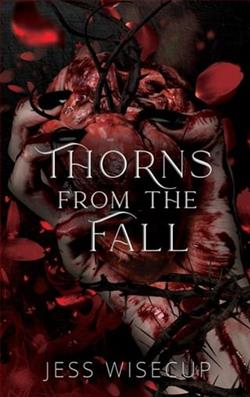
The narrative is driven by the dual perspectives of Gwyn and Roman, offering readers a comprehensive view of their internal struggles and motivations. This duality is one of the novel's strengths, as it allows for a nuanced exploration of the characters' emotional landscapes. Gwyn, having seized control of the Chicago coven, is a character torn between her thirst for vengeance and the emptiness that follows its fulfillment. Her journey is one of self-discovery, as she grapples with the realization that achieving her goals has not brought her the satisfaction she anticipated. This internal conflict is poignantly portrayed, making Gwyn a relatable and compelling protagonist.
Roman, on the other hand, is a character consumed by anger and betrayal. His desire for revenge against Gwyn is palpable, yet Wisecup skillfully weaves in moments of vulnerability that reveal his deep-seated love for her. This dichotomy between love and hate is a central theme in the novel, and Wisecup handles it with deftness and sensitivity. Roman's struggle to reconcile his feelings for Gwyn with his need to protect his brother and coven adds layers to his character, making him more than just a foil to Gwyn's ambitions.
The theme of power and its consequences is also prevalent throughout the novel. Gwyn's rise to power is marked by violence and betrayal, and Wisecup does not shy away from exploring the moral ambiguities of her actions. The question of whether the ends justify the means is a recurring motif, prompting readers to reflect on the nature of justice and retribution. This thematic depth elevates the novel beyond a simple tale of supernatural conflict, offering a thought-provoking commentary on the human condition.
Wisecup's world-building is another highlight of the novel. The supernatural elements are seamlessly integrated into the narrative, creating a rich and immersive setting. The Chicago coven is depicted with meticulous detail, from its hierarchical structure to the intricate dynamics between its members. This attention to detail enhances the realism of the story, allowing readers to fully engage with the world Wisecup has created.
In terms of pacing, Thorns from the Fall maintains a steady momentum, with each chapter building on the tension and drama of the last. Wisecup's prose is both evocative and accessible, striking a balance between lyrical descriptions and crisp dialogue. This ensures that the novel is not only a compelling read but also an emotionally resonant one.
Comparatively, Thorns from the Fall shares thematic similarities with other works in the supernatural genre, such as Anne Rice's The Vampire Chronicles and Deborah Harkness's A Discovery of Witches. Like Rice and Harkness, Wisecup explores the complexities of love, power, and identity within a supernatural framework. However, Wisecup's focus on the personal vendettas and emotional turmoil of her characters sets her work apart, offering a fresh perspective on familiar themes.
Overall, Thorns from the Fall is a captivating and thought-provoking novel that will appeal to fans of supernatural fiction and character-driven narratives. Jess Wisecup has crafted a story that is both entertaining and emotionally resonant, with characters that linger in the mind long after the final page is turned. Whether you're drawn to tales of vengeance, complex relationships, or the supernatural, this novel offers something for everyone.
In conclusion, Thorns from the Fall is a testament to Jess Wisecup's skill as a storyteller. Her ability to weave together themes of love, betrayal, and power within a richly imagined world makes this novel a standout in the genre. Readers will find themselves captivated by the intricate dance of emotions between Gwyn and Roman, and the moral questions that their story raises. It's a book that invites reflection and discussion, making it a worthy addition to any reader's collection.



