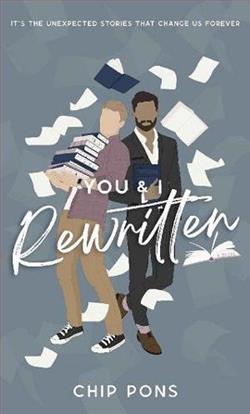
Chip Pons' You & I, Rewritten is a captivating exploration of love, ambition, and the complexities of human relationships, set against the vibrant backdrop of New York City's literary scene. This novel is a delightful blend of romance and self-discovery, offering readers a compelling narrative that is both heartwarming and thought-provoking.
The story revolves around Will Cowen, a character whose life seems to be on the cusp of perfection. With a dream promotion at a prestigious publishing house and a new living arrangement with his oldest friend, Will is poised to make his mark in the literary world. However, his encounter with Graham Austin, the enigmatic heir to the publishing empire, sets off a series of events that challenge Will's professional and personal aspirations.
One of the novel's most striking elements is its character development. Will Cowen is portrayed as a relatable protagonist, whose journey is marked by both triumphs and setbacks. His initial confidence is tested by the unpredictable nature of the publishing industry and his interactions with Graham. Pons skillfully captures Will's internal struggles, making his character arc both believable and engaging.
Graham Austin, on the other hand, is introduced as a seemingly aloof and business-oriented individual. However, as the story unfolds, readers are given glimpses into his more vulnerable side. This gradual unveiling of Graham's character adds depth to the narrative, transforming him from a mere love interest into a fully realized character with his own complexities and motivations.
The relationship between Will and Graham is the heart of the novel. Their romance is depicted with a refreshing authenticity, characterized by moments of tension, misunderstanding, and genuine connection. Pons does an excellent job of portraying the nuances of their relationship, capturing the push and pull dynamics that often accompany real-life romances. The chemistry between the two characters is palpable, making their journey from adversaries to lovers both believable and satisfying.
In terms of themes, You & I, Rewritten delves into the idea of second chances and the possibility of rewriting one's past. The manuscript that lands on Will's desk serves as a metaphor for his own life, prompting him to confront his insecurities and past mistakes. This theme is further reinforced by the novel's exploration of the publishing industry, where the power of words and storytelling is a central focus. Pons effectively uses the literary setting to highlight the transformative power of narratives, both personal and professional.
Another noteworthy aspect of the novel is its portrayal of the publishing world. Pons provides readers with an insider's view of the industry, capturing its competitive nature and the passion that drives those who work within it. This setting not only adds authenticity to the story but also serves as a backdrop for the characters' personal growth and development.
Comparatively, You & I, Rewritten shares thematic similarities with works by authors such as Casey McQuiston and Alexis Hall, who also explore LGBTQ+ relationships within professional settings. However, Pons' novel stands out for its focus on the intricacies of the publishing world and its nuanced portrayal of character dynamics. The novel's blend of romance and professional ambition offers a fresh perspective within the genre, making it a standout read for fans of contemporary romance.
Overall, You & I, Rewritten is a beautifully crafted novel that offers readers a rich tapestry of emotions and experiences. Chip Pons has created a story that is both entertaining and meaningful, with characters that resonate long after the final page is turned. Whether you're a fan of romance, a lover of literature, or simply someone seeking a heartfelt story of love and redemption, this novel is sure to leave a lasting impression.
In conclusion, You & I, Rewritten is a testament to the power of storytelling and the resilience of the human spirit. It reminds us that while the past may shape us, it does not define us, and that with courage and determination, we can indeed rewrite our own narratives.



