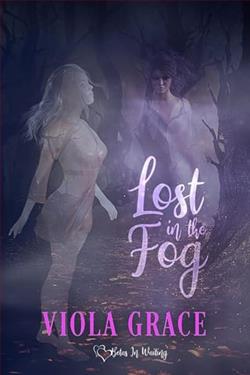
Viola Grace's Lost in the Fog is a compelling exploration of identity, resilience, and the intricate dance of fate and choice. The novel delves into the lives of two elf omegas, Pandora and Gia, who find themselves grappling with the harsh realities of rejection and the subsequent quest for self-discovery. Grace's narrative is a poignant reminder of the strength required to reclaim one's life after being cast aside by those who were supposed to cherish them.
The story opens with Gia, who awakens from a coma years after her link to her mates was severed. Her journey back to normalcy is fraught with challenges as she struggles to regain control over her mind and body. Grace skillfully portrays Gia's determination and vulnerability, making her a relatable and sympathetic character. The revelation of her legal and binding marriage adds another layer of complexity to her life, raising questions about autonomy and the nature of love. Gia's story is a testament to the resilience of the human (or in this case, elven) spirit, as she navigates the murky waters of obligation and personal desire.
Pandora's narrative is equally compelling. Her experience of being lost in a literal and metaphorical fog for a decade is a powerful metaphor for the disorientation that comes with rejection. The moment she is brought back to herself by a stranger's touch is both magical and symbolic, highlighting the transformative power of kindness and connection. Pandora's struggle to adapt to the modern world and understand her identity as an elf omega is portrayed with sensitivity and depth. Her realization that her mate's rejection nearly destroyed her is a pivotal moment in the story, underscoring the theme of self-worth and the importance of moving forward.
Grace's writing is both evocative and immersive, drawing readers into the richly imagined world of elf omegas. The themes of rejection and resilience are explored with nuance, offering a fresh perspective on the traditional mate-bond trope often found in paranormal romance. The author deftly balances the fantastical elements of the story with the emotional realities of her characters, creating a narrative that is both engaging and thought-provoking.
Character development is one of the novel's strengths. Both Gia and Pandora are well-rounded characters with distinct voices and compelling arcs. Their journeys are marked by growth and self-discovery, as they learn to navigate the complexities of their lives and relationships. Grace's portrayal of their struggles and triumphs is both realistic and inspiring, making them characters that readers can root for.
The novel also touches on themes of family, duty, and the search for belonging. Gia's relationship with her family and her role in the family business add depth to her character and highlight the tension between personal desires and familial obligations. Similarly, Pandora's quest to find her place in the world is a universal theme that resonates with readers, regardless of their background.
In comparison to other works in the genre, Lost in the Fog stands out for its focus on the emotional and psychological aspects of rejection and recovery. While many paranormal romances emphasize the romantic relationship between mates, Grace's novel delves deeper into the individual journeys of her protagonists, offering a more introspective and character-driven narrative. This approach is reminiscent of authors like Nalini Singh and Patricia Briggs, who also excel at blending romance with character development and world-building.
Overall, Lost in the Fog is a beautifully crafted story that will appeal to fans of paranormal romance and fantasy. Viola Grace has created a world that is both enchanting and relatable, populated by characters who are as flawed as they are resilient. The novel's exploration of identity, rejection, and the power of self-discovery is both timely and timeless, making it a must-read for anyone who has ever felt lost in the fog of their own life.



