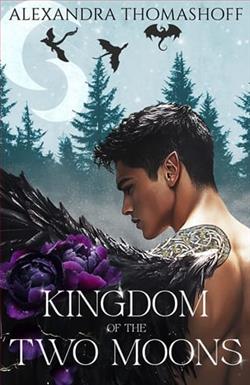
Alexandra Thomashoff's Kingdom of the Two Moons is a mesmerizing foray into a world where magic, destiny, and power collide in a narrative that is as enchanting as it is dark. The novel's blurb sets the stage for a tale of captivity, escape, and the struggle for freedom, but it is the intricate weaving of character development and thematic depth that truly captivates the reader.
The protagonist, Melody, is a character whose journey from a life of imprisonment to one of self-discovery and empowerment is both compelling and relatable. Her initial portrayal as a pawn in a larger game is a poignant reflection of the human condition—how often we find ourselves trapped by circumstances beyond our control. Thomashoff skillfully crafts Melody's evolution, allowing her to grow from a victim of her circumstances to a formidable force capable of altering the course of her world. This transformation is not only central to the plot but also serves as a powerful metaphor for personal growth and resilience.
One of the novel's most striking elements is its exploration of the theme of freedom versus captivity. Melody's escape from her captor is a pivotal moment that sets the tone for the rest of the story. However, her subsequent capture by Riven and enslavement by Caryan introduces a complex dynamic that challenges the notion of freedom. The Court of the Two Moons, with its shadowy allure and dangerous politics, becomes a microcosm of the larger world, where power is wielded with ruthless efficiency and freedom is a fleeting illusion.
Riven and Caryan, the two central male figures in Melody's life, are expertly crafted to embody the duality of light and darkness. Riven, the fae warrior, is a character whose initial role as Melody's captor evolves into something far more nuanced. His internal conflict and the gradual unveiling of his motivations add depth to his character, making him more than just a foil to Caryan's dark allure. Caryan, the fallen angel and ruler of the Court, is a character shrouded in mystery and danger. His icy cruelty is tempered by moments of vulnerability, creating a complex antagonist who is as captivating as he is terrifying.
The romantic tension between Melody, Riven, and Caryan is a central thread that weaves through the narrative, adding layers of emotional complexity. Thomashoff deftly navigates the intricacies of attraction, fear, and desire, creating a love triangle that is both compelling and fraught with tension. The chemistry between Melody and her two suitors is palpable, and the stakes are heightened by the prophecy that binds them all together.
The prophecy itself is a masterstroke of storytelling, serving as both a driving force for the plot and a symbol of the characters' intertwined destinies. The revelation that Melody is the last silver elf capable of killing an immortal angel adds a layer of urgency and inevitability to the narrative. This element of the story is reminiscent of other fantasy epics, such as Sarah J. Maas's Throne of Glass series, where prophecies and ancient powers play a crucial role in shaping the characters' fates.
Thomashoff's world-building is another highlight of the novel. The Court of the Two Moons is a richly imagined setting, filled with intrigue and danger. The author's attention to detail and vivid descriptions bring this world to life, immersing the reader in a realm where shadows hold secrets and magic is both a gift and a curse. The political machinations and power struggles within the court add depth to the narrative, creating a backdrop against which the characters' personal journeys unfold.
In terms of thematic exploration, Kingdom of the Two Moons delves into the nature of power and its corrupting influence. The characters' struggles with their own desires and ambitions serve as a reflection of the broader conflict between light and darkness. Thomashoff raises thought-provoking questions about the cost of power and the sacrifices one must make to achieve it, echoing themes found in works like Leigh Bardugo's Shadow and Bone series.
Overall, Kingdom of the Two Moons is a captivating and thought-provoking read that will appeal to fans of dark fantasy and epic tales of love and destiny. Alexandra Thomashoff has crafted a story that is both timeless and timely, exploring themes of freedom, power, and the human capacity for change. The novel's rich character development, intricate plot, and evocative world-building make it a standout addition to the fantasy genre.
For readers seeking a story that combines the allure of a dark, magical world with the emotional depth of a character-driven narrative, Kingdom of the Two Moons is a must-read. Its exploration of the complexities of love, power, and destiny will resonate long after the final page is turned, leaving readers eagerly anticipating Thomashoff's next literary offering.



