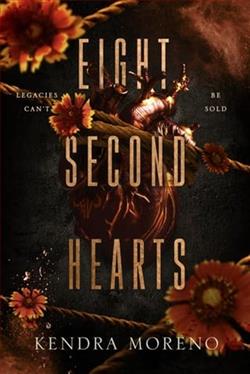
Kendra Moreno's Eight Second Hearts is a captivating exploration of ambition, legacy, and the intricate dance between personal dreams and the shadows of the past. Set against the vibrant backdrop of the rodeo circuit, Moreno crafts a narrative that is as thrilling as it is emotionally resonant, drawing readers into a world where the stakes are high, both in the arena and in life.
At the heart of the story is Indie, a tenacious and driven protagonist whose singular goal is to see her name emblazoned on the front page of a newspaper. Her journey is not just about professional achievement but also about personal redemption. Having tasted the bitter disappointment of seeing her name in print for all the wrong reasons, Indie is determined to reclaim her narrative. Moreno skillfully portrays Indie as a complex character, one who is both vulnerable and fiercely determined. Her struggles are relatable, and her resilience is inspiring, making her a character that readers will root for from the very first page.
The narrative gains momentum as Indie embarks on her quest to uncover the story behind The Crimson Three—Tripp Savage, Beau Rodgers, and Ramiro Mondragon. These three enigmatic figures are legends in the rodeo world, each with their own unique persona and a shared aversion to media scrutiny. Moreno does an exceptional job of fleshing out these characters, providing each with a distinct voice and backstory that enriches the narrative tapestry. Tripp, the legacy bull rider, embodies the weight of expectations and the struggle to carve out one's own path. Beau, the rodeo clown, offers a glimpse into the world of those who bring levity to the arena while battling their own demons. Ramiro, the bronc rider, is a testament to the allure of fame and the sacrifices it demands.
Moreno's writing shines in her ability to weave together the personal and the professional, the past and the present. The rodeo setting is not just a backdrop but a living, breathing entity that influences the characters and their choices. The author’s vivid descriptions bring the rodeo to life, from the adrenaline-pumping moments in the arena to the quieter, introspective times on the ranch. This setting serves as a metaphor for the characters' internal struggles, where the thrill of the ride is tempered by the ever-present risk of being thrown off course.
One of the standout themes in Eight Second Hearts is the concept of legacy. Moreno delves into how the past can shape, and sometimes shackle, the present. Indie’s journey is as much about confronting her own family history as it is about pursuing her career aspirations. The Crimson Three, too, are bound by their legacies, each grappling with the expectations and secrets that come with their fame. Moreno deftly explores how these legacies can be both a source of strength and a burden, a duality that adds depth to the narrative.
The novel also tackles the theme of identity, particularly in the context of public perception versus personal truth. Indie’s quest for a serious story is not just about professional validation but also about asserting her identity in a world that often reduces individuals to headlines and stereotypes. The Crimson Three, with their carefully curated public personas, embody this struggle, highlighting the tension between who they are and who the world expects them to be.
Moreno’s prose is both engaging and evocative, capturing the essence of the rodeo world while delving into the emotional landscapes of her characters. Her ability to balance action with introspection ensures that the narrative remains compelling throughout. The pacing is well-executed, with moments of high tension interspersed with quieter, character-driven scenes that allow for reflection and growth.
In comparison to other works in the genre, Eight Second Hearts stands out for its nuanced character development and its exploration of themes that resonate beyond the confines of the rodeo. While it shares similarities with novels that explore the intersection of personal ambition and public life, Moreno’s work is distinguished by its focus on legacy and identity, offering a fresh perspective on familiar tropes.
Overall, Eight Second Hearts is a compelling read that will appeal to fans of contemporary fiction and those interested in stories that delve into the complexities of ambition, identity, and the enduring impact of the past. Moreno has crafted a narrative that is both entertaining and thought-provoking, leaving readers with much to ponder long after the final page is turned. Whether you are drawn to the thrill of the rodeo or the intricacies of human relationships, this novel offers a rich and rewarding experience.



