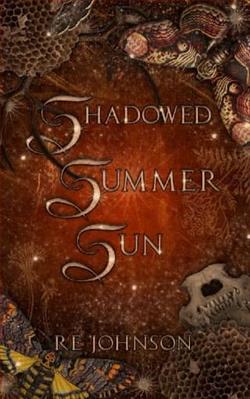
R.E. Johnson's Shadowed Summer Sun is a captivating exploration of the mystical and the mundane, weaving together elements of fantasy, suspense, and self-discovery. The novel's blurb hints at a world where the boundaries between light and dark are blurred, and Johnson delivers on this promise with a narrative that is both enchanting and haunting.
The story unfolds on the Summer Solstice, a day imbued with ancient power and significance. The protagonist, whose journey we follow, is drawn into the woods by a force that is both external and deeply personal. This setting—a small town bordered by mysterious woods—serves as a perfect backdrop for the unfolding drama. Johnson's vivid descriptions of the natural world are a highlight, painting a picture of a landscape that is as beautiful as it is dangerous. The woods are not just a setting but a character in their own right, alive with secrets and shadows.
One of the novel's most compelling aspects is its exploration of power and its consequences. The protagonist's journey is one of self-discovery, as they grapple with the seductive pull of the "King of Summer’s End" and the darkness that accompanies it. This internal struggle is mirrored by the external threat posed by the "ravenous evil" lurking in the woods. Johnson deftly explores themes of temptation, identity, and the duality of human nature. The protagonist's descent into the shadows is both literal and metaphorical, representing a journey into the depths of their own soul.
The character development in Shadowed Summer Sun is nuanced and engaging. The protagonist is a well-rounded character, whose internal conflicts and growth are portrayed with sensitivity and depth. Their interactions with other characters, including the enigmatic King of Summer’s End, are rich with tension and complexity. Johnson excels at creating characters who are flawed and relatable, making their journeys all the more compelling.
In terms of pacing, the novel strikes a delicate balance between action and introspection. The narrative moves swiftly, with moments of high tension and suspense interspersed with quieter, more reflective passages. This rhythm keeps the reader engaged, drawing them deeper into the story with each turn of the page. Johnson's prose is both lyrical and precise, capturing the beauty and danger of the world they have created.
Comparatively, Shadowed Summer Sun shares thematic similarities with works like Neil Gaiman's The Ocean at the End of the Lane and Erin Morgenstern's The Night Circus. Like Gaiman, Johnson explores the intersection of the magical and the mundane, creating a world that feels both familiar and otherworldly. Meanwhile, the atmospheric and immersive quality of Johnson's writing is reminiscent of Morgenstern's work, drawing readers into a richly imagined universe.
One of the novel's strengths is its ability to evoke a sense of wonder and unease. The woods, with their long shadows and hidden dangers, are a place of both beauty and terror. Johnson captures this duality with skill, creating a setting that is as much a character as the people who inhabit it. The use of the Summer Solstice as a narrative device is particularly effective, imbuing the story with a sense of urgency and inevitability.
Overall, Shadowed Summer Sun is a compelling and thought-provoking read. Johnson has crafted a story that is both entertaining and meaningful, exploring themes of power, identity, and the nature of good and evil. The novel's blend of fantasy and reality, combined with its richly drawn characters and evocative setting, make it a standout in the genre.
For readers who enjoy stories that delve into the mystical and the mysterious, Shadowed Summer Sun is a must-read. It is a novel that lingers in the mind long after the final page is turned, inviting readers to ponder the shadows that lie within us all.



