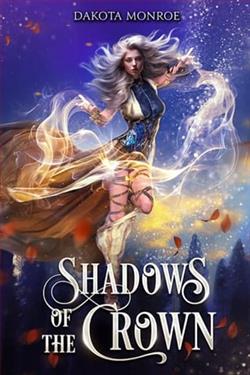
Shadows of the Crown by Dakota Monroe is a captivating fantasy novel that immerses readers in the richly woven world of Eldoria, where magic and intrigue are as abundant as the air itself. The novel's blurb sets the stage for a thrilling narrative, introducing us to Ariella Mistaire, the enigmatic Silver Wraith, and Prince Caspian, whose loyalties are as mysterious as the trials they face.
At its core, Shadows of the Crown explores themes of power, identity, and the blurred lines between good and evil. The kingdom of Eldoria is a place where essence, a magical force, dictates the reality and hierarchy of its inhabitants. Ariella, with her rare ability to manipulate all strands of essence, stands as both a beacon of power and a harbinger of fear. This duality is central to the novel's exploration of identity, as Ariella grapples with her role as both a weapon and a potential threat to the kingdom.
The character development in Monroe's novel is particularly noteworthy. Ariella is a complex protagonist whose journey is marked by growth and self-discovery. Her initial quest for vengeance is gradually overshadowed by a deeper understanding of her own identity and the intricate web of secrets surrounding her. Monroe skillfully portrays Ariella's internal struggle, making her a relatable and compelling character. Her silver hair, a symbol of her unique abilities, becomes a metaphor for her journey towards self-acceptance and empowerment.
Prince Caspian, on the other hand, is a character shrouded in mystery. His intentions are deliberately ambiguous, creating a tension that keeps readers guessing about his true allegiance. This ambiguity adds depth to his character and serves as a catalyst for the novel's exploration of trust and betrayal. The dynamic between Ariella and Caspian is one of the novel's highlights, as their interactions are fraught with tension and intrigue. Monroe deftly navigates their evolving relationship, balancing moments of camaraderie with underlying suspicion.
The novel's plot is a masterful blend of action, suspense, and mystery. The trials orchestrated by the King serve as a backdrop for a larger narrative that delves into the dark secrets of Eldoria. Monroe's world-building is exceptional, painting a vivid picture of a kingdom where magic is both a tool and a weapon. The trials themselves are cleverly designed, each one revealing new layers of the kingdom's history and the characters' motivations. As Ariella uncovers unsettling truths, the stakes are raised, and the plot takes unexpected twists that keep readers on the edge of their seats.
Monroe's prose is both lyrical and evocative, capturing the essence of Eldoria with vivid descriptions and a keen attention to detail. The kingdom comes alive through her words, from the bustling streets of the capital to the shadowy corners of the castle. The magic system, based on the manipulation of essence, is intricately crafted and adds a unique dimension to the story. Monroe's ability to seamlessly integrate magic into the narrative enhances the overall impact of the novel, making it a truly immersive experience.
In comparison to other fantasy novels, Shadows of the Crown stands out for its intricate plot and well-developed characters. Fans of Sarah J. Maas's Throne of Glass series will find similarities in the strong female protagonist and the blend of magic and political intrigue. However, Monroe's novel carves its own niche with its focus on identity and the moral complexities of power. The themes of self-discovery and the search for truth resonate throughout the narrative, offering readers a thought-provoking exploration of what it means to wield power responsibly.
Overall, Shadows of the Crown is a compelling addition to the fantasy genre. Dakota Monroe has crafted a tale that is both entertaining and thought-provoking, with characters that linger in the mind long after the final page is turned. The novel's exploration of identity, power, and the nature of truth is both timely and timeless, making it a must-read for fans of fantasy and adventure. Whether you're drawn to the allure of magic, the thrill of political intrigue, or the journey of self-discovery, Shadows of the Crown offers something for every reader.
In conclusion, Dakota Monroe's Shadows of the Crown is a triumph of storytelling, weaving together themes of power, identity, and the complexities of human nature into a narrative that is as enchanting as it is profound. With its richly developed characters, intricate plot, and evocative prose, this novel is sure to captivate readers and leave them eagerly anticipating the next installment in the series.



