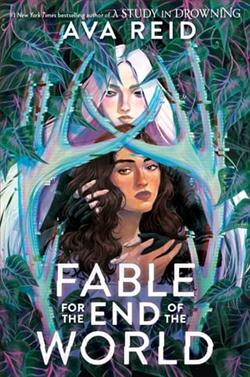
Ava Reid's Fable for the End of the World is a compelling dystopian romance that deftly intertwines themes of survival, sacrifice, and the transformative power of love. Drawing inspiration from the gritty, post-apocalyptic atmosphere of The Last of Us and the morally complex narrative of The Ballad of Songbirds and Snakes, Reid crafts a standalone novel that is both haunting and hopeful.
At the heart of the story is the oppressive corporation Caerus, which maintains control over society by ensnaring the underclass in insurmountable debt. This dystopian setting is not just a backdrop but a critical component that shapes the characters' lives and decisions. Reid's portrayal of a world where financial desperation leads to a deadly game of survival is both chilling and thought-provoking, inviting readers to reflect on the real-world implications of economic inequality and corporate power.
The protagonist, Inesa, is a resilient young woman living in a half-sunken town with her brother. Their existence is precarious, sustained by a taxidermy shop that barely keeps them afloat. Reid's depiction of Inesa is nuanced and layered; she is a character forged by hardship, yet her spirit remains unbroken. The revelation that her mother has offered her as a sacrifice to the Lamb’s Gauntlet—a brutal, televised assassination spectacle—serves as the catalyst for her journey. Inesa's struggle to survive is not just physical but deeply emotional, as she grapples with betrayal and the harsh realities of her world.
Melinoë, the Caerus assassin tasked with hunting Inesa, is equally compelling. As a product of neural reconditioning and physiological alteration, Melinoë is a living weapon, renowned for her lethal efficiency. However, Reid skillfully peels back the layers of her character to reveal a woman haunted by her past and yearning for redemption. The juxtaposition of Melinoë's cold exterior with her internal turmoil creates a fascinating dynamic that drives the narrative forward.
The relationship between Inesa and Melinoë is the novel's emotional core. As they navigate the wasteland, their initial roles as hunter and prey begin to blur, giving way to a complex bond that challenges their perceptions of themselves and each other. Reid handles their evolving relationship with sensitivity and depth, exploring themes of trust, vulnerability, and the possibility of change. The romance that develops between them is not only a source of tension but also a beacon of hope in a bleak world.
Reid's writing is both evocative and immersive, painting a vivid picture of a world teetering on the brink of collapse. The desolate landscapes and decaying remnants of civilization are rendered with a haunting beauty that underscores the novel's themes. The pacing is expertly managed, balancing moments of intense action with quieter, introspective scenes that allow for character development and thematic exploration.
One of the novel's strengths is its exploration of identity and agency. Both Inesa and Melinoë are characters who have been shaped by forces beyond their control, yet they each embark on a journey of self-discovery that challenges the roles they have been assigned. Reid raises important questions about the nature of freedom and the possibility of forging one's own path in a world that seeks to define and confine.
In comparison to other dystopian narratives, Fable for the End of the World stands out for its focus on character-driven storytelling and its nuanced exploration of love as a transformative force. While it shares thematic elements with works like Suzanne Collins' The Hunger Games and Veronica Roth's Divergent, Reid's novel distinguishes itself through its intimate portrayal of its protagonists and its willingness to delve into the complexities of their emotions and motivations.
Overall, Fable for the End of the World is a powerful and poignant tale that resonates on multiple levels. Ava Reid has crafted a story that is both a thrilling adventure and a profound meditation on the human capacity for resilience and connection. Readers who appreciate dystopian fiction with strong character development and a focus on emotional depth will find much to admire in this novel.
In conclusion, Ava Reid's Fable for the End of the World is a masterful blend of dystopian intrigue and romantic tension, offering a fresh and engaging perspective on familiar themes. It is a testament to the enduring power of love and the indomitable spirit of those who dare to defy the odds. This book is a must-read for fans of the genre and anyone seeking a story that challenges and inspires.



