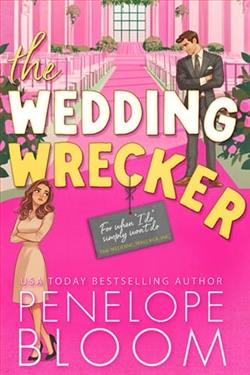
Penelope Bloom’s The Wedding Wrecker is a delightful romp through the world of weddings, deception, and unexpected romance. The novel cleverly intertwines themes of love, trust, and redemption, all set against the backdrop of a high-stakes wedding planning scenario. The story is both engaging and humorous, offering readers a fresh take on the romantic comedy genre.
The book introduces us to James “The Wedding Wrecker” Carter, a man whose job is to uncover the hidden truths behind seemingly perfect weddings. His character is initially portrayed as cynical and somewhat jaded, a man who has seen too much deceit to believe in the fairy tale endings that weddings promise. On the other hand, we have Emma Marshall, a wedding planner who embodies the opposite end of the spectrum. She is a firm believer in love and the magic of weddings, despite having her career wrecked by James three years prior.
The dynamic between James and Emma is the heart of the novel. Bloom does an excellent job of developing their characters, allowing readers to see beyond their initial facades. James, with his emotional scars and guarded demeanor, is a character who slowly reveals layers of vulnerability and depth. His past, which is gradually unveiled, adds a poignant touch to his otherwise tough exterior. Emma, meanwhile, is portrayed as resilient and determined, a woman who is trying to rebuild her career and reputation after a significant setback.
The chemistry between the two protagonists is palpable from the start. Their interactions are filled with witty banter and tension, which Bloom expertly crafts to keep readers invested in their evolving relationship. The “fake relationship” trope is used effectively here, providing ample opportunities for both comedic and tender moments. The forced proximity, as they share a room and pretend to be a couple, leads to a series of events that challenge their initial perceptions of each other.
One of the novel’s strengths is its exploration of trust and redemption. James’s role as a wedding wrecker is rooted in his inability to trust, a theme that resonates throughout the book. Emma’s journey, on the other hand, is about learning to trust again after being betrayed. Their individual paths towards understanding and forgiveness are beautifully intertwined, making their eventual romance feel earned and satisfying.
Bloom’s writing style is engaging and accessible, with a good balance of humor and emotion. The setting of a mountain ski resort adds a cozy, romantic atmosphere to the story, enhancing the overall reading experience. The author’s attention to detail in describing the wedding planning process and the resort setting adds authenticity to the narrative, making it easy for readers to immerse themselves in the story.
In terms of themes, The Wedding Wrecker delves into the idea of appearances versus reality. Weddings, often seen as the epitome of perfection, are revealed to be fraught with hidden tensions and secrets. This theme is mirrored in the characters themselves, as both James and Emma must confront their own facades and the truths they hide from the world. The novel also touches on the idea of second chances, both in love and in life, as the characters navigate their past mistakes and seek redemption.
Comparatively, The Wedding Wrecker shares similarities with other romantic comedies that explore fake relationships and unexpected love, such as Christina Lauren’s The Unhoneymooners or Sally Thorne’s The Hating Game. However, Bloom’s novel stands out due to its unique premise of a wedding wrecker and the depth of its character development. The blend of humor, romance, and emotional depth makes it a compelling read for fans of the genre.
Overall, Penelope Bloom’s The Wedding Wrecker is a charming and heartwarming story that will appeal to anyone who enjoys a good romantic comedy. Its well-developed characters, engaging plot, and exploration of themes like trust and redemption make it a standout in the genre. Whether you’re a fan of weddings or simply love a good romance, this book is sure to entertain and delight.



