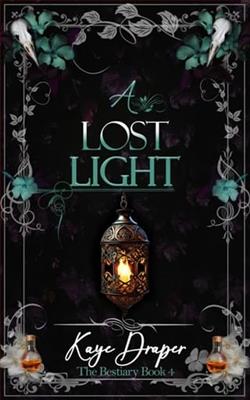
Kaye Draper's A Lost Light is a compelling addition to the supernatural genre, blending elements of fantasy, romance, and action with a unique twist. This book, the fourth in its series, continues to explore the intricate dynamics of a world where magic, power struggles, and personal relationships intertwine. Draper crafts a narrative that is both engaging and thought-provoking, making it a must-read for fans of supernatural fiction.
At the heart of A Lost Light is the protagonist's struggle with identity and responsibility. The main character, whose name is not explicitly mentioned in the blurb, is caught between her sister's expectations and her own moral compass. This internal conflict is a driving force throughout the novel, as she grapples with the decision to participate in a war against witch supremacists and the Supernatural Alliance. Draper skillfully portrays this tension, allowing readers to empathize with the protagonist's reluctance to endanger her loved ones while recognizing the necessity of her actions.
The theme of family, both biological and chosen, is central to the narrative. The protagonist's "found family of crazies" adds depth to the story, providing moments of humor and warmth amidst the chaos. Draper excels in creating multi-dimensional characters, each with their own quirks and backstories. This ensemble cast enriches the narrative, offering diverse perspectives on the unfolding events. The interactions between these characters are often laced with sarcasm and humor, providing a refreshing contrast to the darker elements of the plot.
One of the standout aspects of A Lost Light is its exploration of moral ambiguity. The protagonist's "stupid insistence on saving innocents" highlights the complexity of her character. Draper does not shy away from depicting the gray areas of morality, challenging readers to consider the consequences of their actions. This theme is further emphasized by the protagonist's use of dark magic, which adds an intriguing layer to her character development. Draper's nuanced portrayal of these ethical dilemmas elevates the narrative, encouraging readers to reflect on their own values.
The supernatural elements of the story are vividly imagined, with the Angelic realm serving as a particularly intriguing setting. Draper's depiction of angels as "pompous, lying jerks" subverts traditional expectations, adding an element of unpredictability to the narrative. The protagonist's mission to steal a magical artifact from this realm is fraught with tension and danger, providing some of the book's most thrilling moments. Draper's ability to balance action with introspection is commendable, ensuring that the plot remains engaging without sacrificing character development.
In terms of romance, A Lost Light offers a polyamorous dynamic that is both refreshing and inclusive. The relationships depicted in the book encompass a range of interactions, including MF, MM, FF, and NB/intersex pairings. Draper handles these relationships with sensitivity and authenticity, allowing for a diverse representation of love and connection. The romantic elements are seamlessly woven into the narrative, enhancing the emotional depth of the story without overshadowing the central plot.
It's worth noting that Draper includes content warnings for explicit sexual content, swearing, and discussions of trauma. These elements are integral to the story, contributing to its realism and emotional impact. Draper's approach to trauma is particularly noteworthy, as she addresses it with care and respect. The characters' ongoing discussions about their past experiences add a layer of authenticity to the narrative, highlighting the importance of healing and growth.
While A Lost Light is the penultimate book in the series, Draper ensures that it stands on its own, with no cliffhangers to frustrate readers. However, the ending does leave room for anticipation, setting the stage for the final installment. Draper's decision to extend the series by one more book is a testament to her commitment to delivering a satisfying conclusion for her readers.
In comparison to other works in the supernatural genre, A Lost Light stands out for its unique blend of humor, action, and romance. Fans of authors like Patricia Briggs and Ilona Andrews will likely appreciate Draper's ability to create a richly imagined world populated by complex characters. However, Draper's distinctive voice and approach to storytelling ensure that A Lost Light remains a singular experience.
Overall, A Lost Light is a captivating read that will appeal to fans of supernatural fiction and those seeking a story that challenges conventional notions of morality and identity. Draper's skillful storytelling and character development make this book a standout in its genre, leaving readers eagerly anticipating the series' conclusion.



